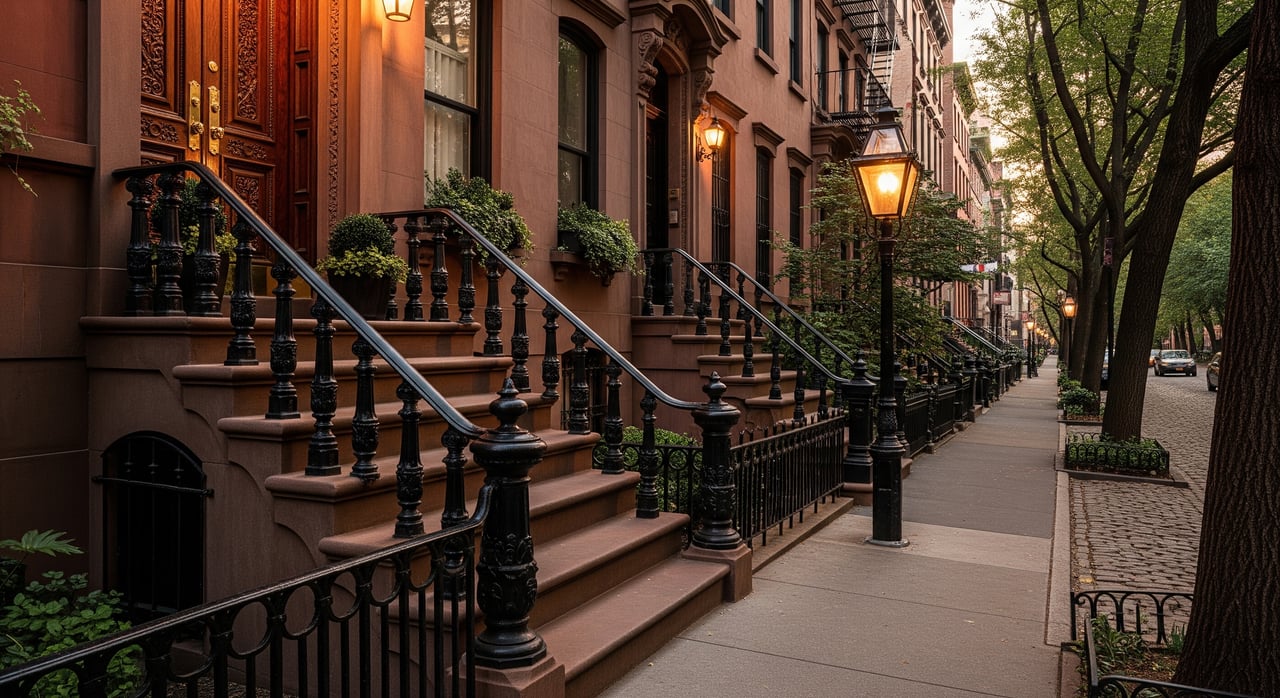
Dreaming of cobblestone blocks, corner cafes, and sunset walks along the Hudson? If you picture a neighborhood that feels historic yet alive, the West Village delivers. You get small-scale streets, an independent dining scene, and quick access to downtown and Midtown. This guide walks you through day-to-day life, transit, homes, and practical tips so you can decide if the West Village fits your lifestyle. Let’s dive in.
West Village at a glance
The West Village is the western part of Greenwich Village, roughly from 14th Street to Houston Street and west from about Sixth Avenue/Greenwich Avenue to the Hudson River. It sits within Manhattan Community District 2, which guides local planning and city services.
You will feel the neighborhood’s history around every corner. It has deep roots in creative culture and LGBTQ+ history. The Stonewall Inn and Christopher Park anchor that legacy, and the area around them was recognized as the Stonewall National Monument in 2016.
Streetscape and architecture
The West Village is famous for tree-lined, narrow streets that do not always follow Manhattan’s grid. You will find stretches of brick or cobblestone on side streets and a mix of townhouses, prewar walk-ups, and low- to mid-rise buildings. Much of the neighborhood is protected within the Greenwich Village Historic District and related landmark areas, which helps preserve its low-rise character. To understand how preservation shapes renovations and new construction, explore the Greenwich Village Historic District overview.
What you will see day to day:
- Historic rowhouses and brownstones alongside prewar apartment buildings.
- Ground-floor shops and eateries with apartments above.
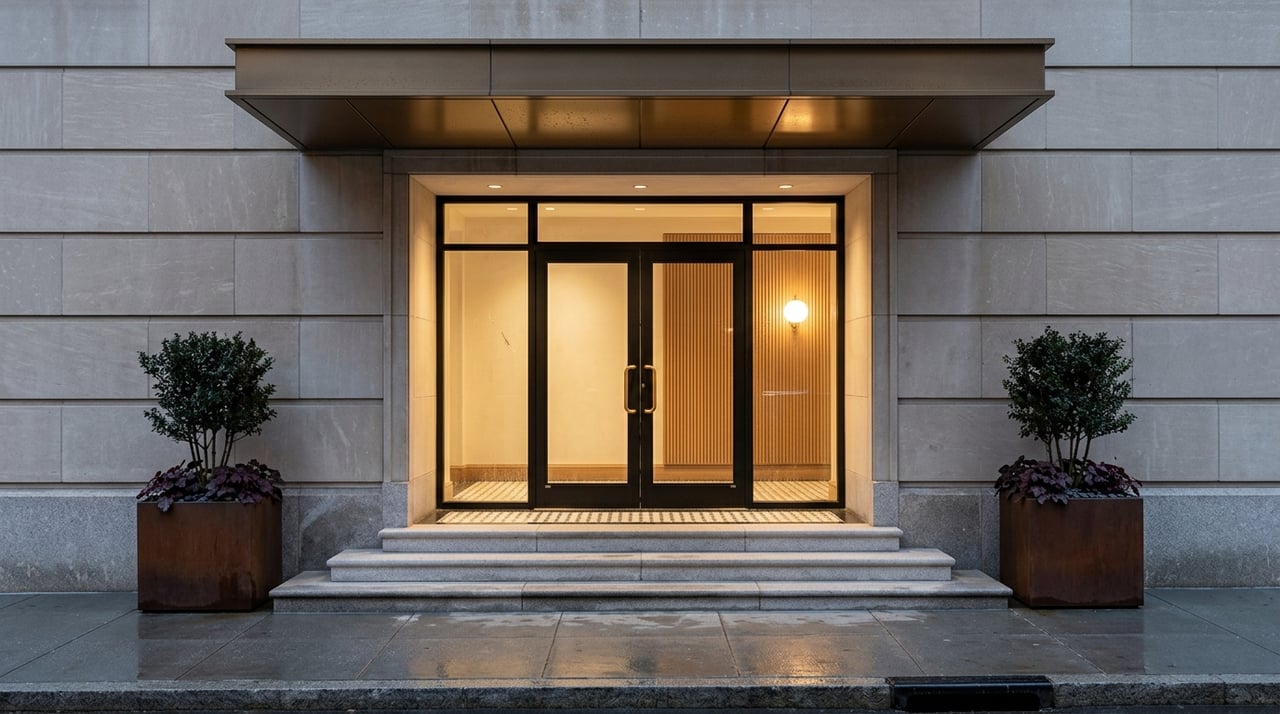
- A handful of modern condos, especially near the waterfront and along major avenues.
Daily life: dining, shops, and culture
If you love food, the West Village shines. You will find long-standing neighborhood restaurants, bakeries, and high-end dining on Bleecker and Hudson, plus a wide range of cafes and specialty grocers. Independent boutiques and bookstores strengthen the small-business feel.
Nightlife tends to cluster around Christopher Street and Bleecker Street. Bars, intimate music venues, and late-night restaurants bring energy after dark. The Stonewall Inn remains an active gathering place and a global cultural touchpoint.
Parks and the waterfront
Outdoor space is one of the West Village’s biggest perks. Along the western edge, Hudson River Park offers miles of waterfront paths, piers, lawns, playgrounds, and direct access to the Hudson River Greenway for cycling and running. Inside the neighborhood, pocket parks like Abingdon Square Park, Christopher Park, and Jefferson Market Garden offer quick green escapes. Washington Square Park is just to the east and is an easy walk for most residents.
Getting around
You have excellent access to subways that connect to both Midtown and the Financial District. Key stations include:
- Christopher St–Sheridan Sq (1)
- West 4 St–Washington Sq (A/B/C/D/E/F/M) at the eastern edge. Check the West 4 Street–Washington Square station page for service details.
- 14 St–Eighth Ave (A/C/E), with the L nearby at 14 St–Sixth Ave. See the 14 Street–Eighth Avenue station.
Local buses run crosstown and north-south, and many errands can be done on foot. Cycling is popular thanks to the Greenway and protected lanes. Street parking is limited, so most residents rely on walking, biking, and transit.
Homes and housing types
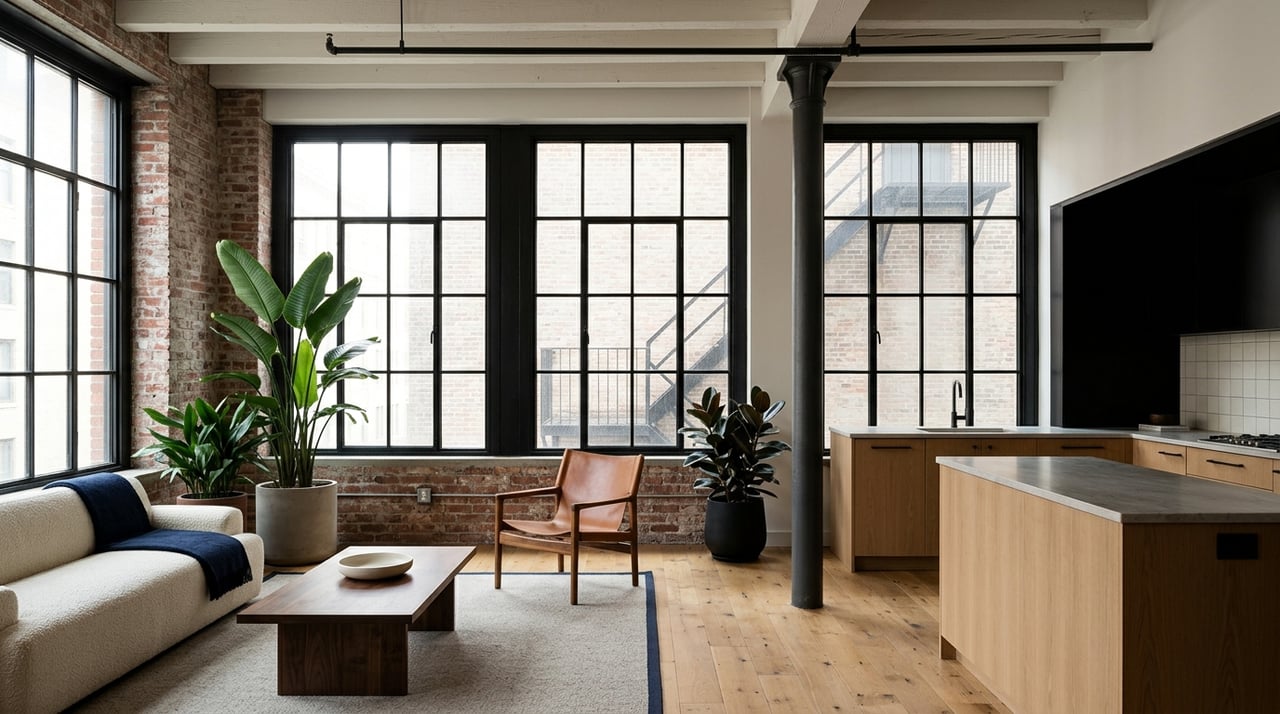
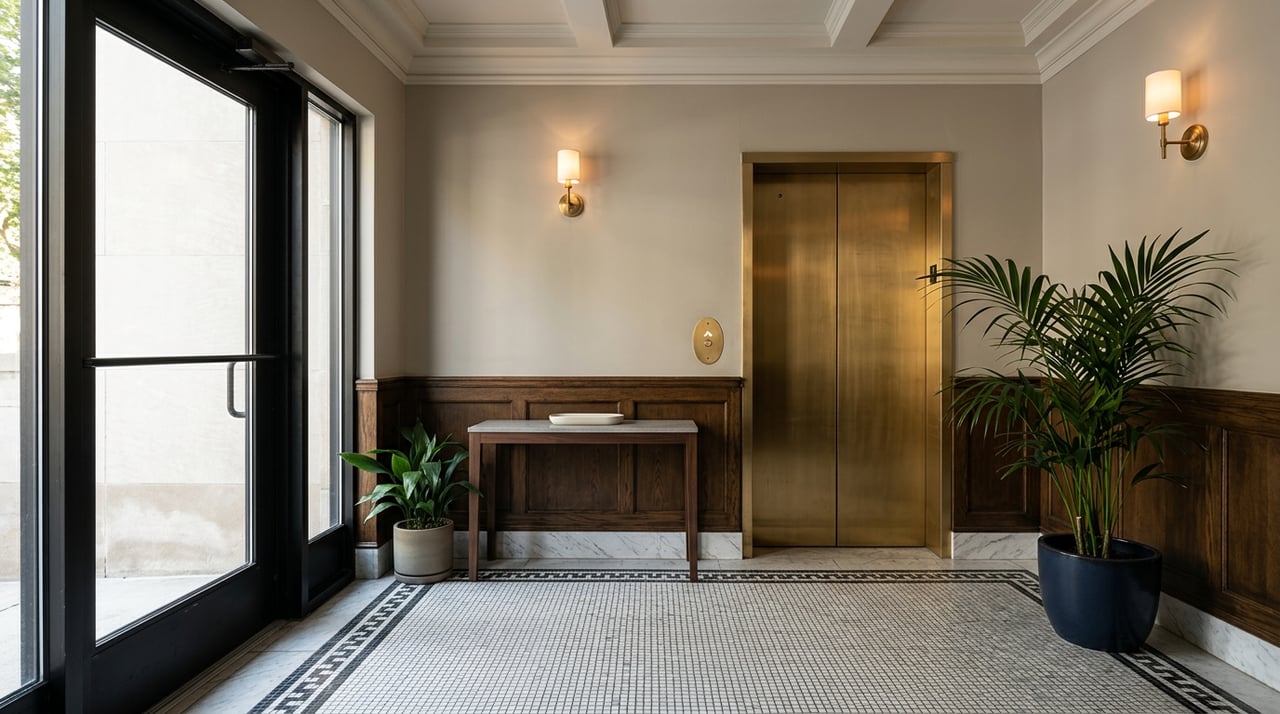
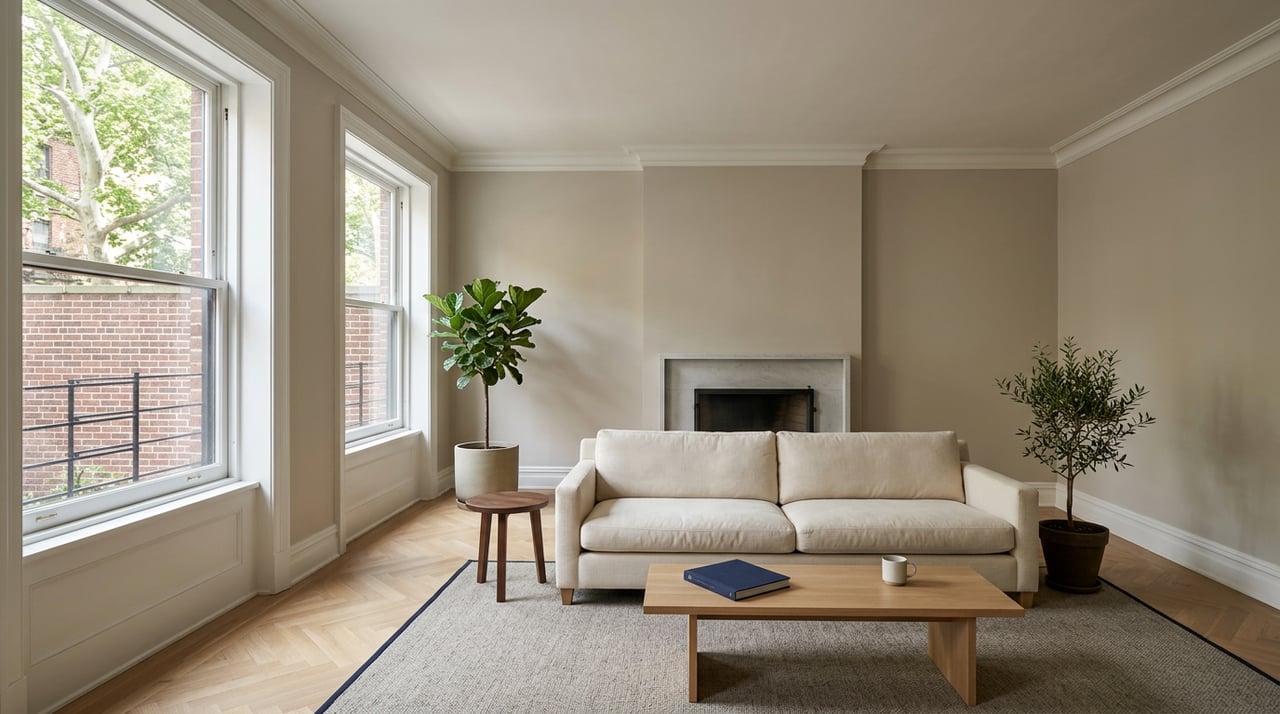
The housing mix skews historic. You will see many co-ops, prewar condos, and walk-ups, plus rare and expensive brownstones and townhouses. Some modern condos near the waterfront add elevator living and amenities.
Because so much of the West Village is landmarked, new development is limited and often comes through conversions or small infill projects. That reduced supply helps maintain the neighborhood’s low-rise look and contributes to a competitive market.
Market character and budget basics
The West Village is one of Manhattan’s most expensive neighborhoods. Sales prices and rents tend to sit above city averages. Inventory is often tight due to the historic housing stock and limited new construction. If you are planning a purchase or rental, it helps to be decisive and prepared with paperwork so you can move quickly when the right place hits the market.
Is the West Village a fit for you?
You may love it if you value:
- Walkability and a strong neighborhood feel.
- Historic architecture and smaller buildings.
- Dining, cafes, and arts within a few blocks.
It may be challenging if you need:
- Large, budget-friendly spaces.
- New-construction towers with extensive in-building amenities.
- On-site parking as a standard feature.
Buyer and renter tips
A few practical notes can make your search smoother:
- Co-op boards are common. Expect an application and interview. Approval standards vary by building, so plan for a thorough financial review and allow time for the process.
- Budget for monthly carrying costs. Maintenance in co-ops and common charges in condos differ and may affect affordability.
- Renovations in landmarked buildings can require approvals. Learn what is allowed on exteriors and plan timelines accordingly. The Landmarks Preservation Commission has guidance on historic districts.
- Consider noise patterns. Streets near nightlife hubs like Christopher and Bleecker can be lively late. Quieter, tree-lined side streets often feel more residential.
- Verify school options by address. Zoning and availability vary, so check the NYC Department of Education’s school finder for the latest information.
What to expect day to night
By day, the streets feel relaxed, with locals walking dogs, picking up groceries, and working from cafes. By evening, the scene turns social. Restaurants fill up, bars turn on the lights, and visitors join residents in the busier corridors. Many side streets stay calm thanks to the neighborhood’s low-rise, residential fabric.
Safety and peace of mind
The West Village is generally considered safe relative to Manhattan averages, though conditions change block by block and by time of day. For current statistics, consult NYPD CompStat data and review the precinct information that covers the neighborhood when you evaluate specific buildings.
How we can help
If you are weighing the West Village against other downtown options, you do not have to navigate it alone. Our team knows co-ops, condos, sponsor units, and complex board packages, and we can help you balance lifestyle and value while staying competitive in a fast-moving market. Ready to explore listings or map a strategy? Connect with The Christina Kremidas Team for tailored guidance and a clear game plan.
FAQs
What are the West Village boundaries?
- The West Village runs roughly from 14th Street to Houston Street and west from about Sixth Avenue/Greenwich Avenue to the Hudson River, within Manhattan Community District 2.
Is the West Village safe for residents and visitors?
- It is generally considered safe relative to Manhattan averages, but you should review current NYPD CompStat data and assess conditions block by block.
How is public transit access in the West Village?
- Excellent. You have multiple subway lines, including the West 4 St–Washington Sq complex and 14 St–Eighth Ave. Check the West 4 Street station details before commuting.
Are there schools and daycare options in the West Village?
- Yes, with a mix of public schools, private schools, and daycare programs. Always verify zones and seat availability using the NYC DOE school finder.
What kinds of homes are common in the West Village?
- You will see co-ops and prewar buildings, townhouses and brownstones, and select modern condos near the waterfront. Many buildings are in landmark districts that preserve the area’s low-rise feel.
Where can I find outdoor space nearby?
- Along the waterfront, Hudson River Park offers paths, lawns, and piers. Within the neighborhood, small parks like Abingdon Square and Christopher Park are popular.
Will landmark rules affect a renovation?
- Possibly. Exterior changes in historic districts often require approval. Review the Greenwich Village Historic District guidance and plan your timeline accordingly.