What does an ordinary day feel like on Manhattan’s Upper West Side? Picture coffee on a tree‑lined block, a run by the river, a museum stop after lunch, and a curtain call by evening. If you are weighing a move, you want the real rhythms, not just postcard moments. In this guide, you will see how mornings, commutes, parks, culture, and housing come together so you can decide if this neighborhood fits your lifestyle. Let’s dive in.
Where the Upper West Side sits
The Upper West Side runs from roughly West 59th Street up to West 110th Street, with Central Park to the east and the Hudson River to the west. For planning and services, it falls under Manhattan Community Board 7’s overview. The location gives you daily access to two major parks and a fast link to Midtown.
The mix of residents includes long‑time New Yorkers, students, and many working professionals. Local data shows high educational attainment and above‑average household incomes across the district, which helps explain the strong market for co‑ops and condos. You can explore context in this Census Reporter profile.
Morning on the UWS
Start with coffee and something fresh. A stop at the Zabar’s Broadway store is a classic neighborhood move for bagels, baked goods, and pantry staples.
If you like to get moving, you have choices. Central Park’s western loops and the Hudson River Greenway set easy routes for runners, cyclists, and dog walkers. On the river side, the Riverside Park Conservancy keeps the promenade and lawns active with ongoing improvements and programming.
When it is time to commute, the 1/2/3 trains along Broadway and the B/C trains along Central Park West put you on the move fast, with crosstown buses like the M79 and M86 linking the avenues. For routes and service status, use MTA trip planning. Public transit times in this district typically fall in the low 30‑minute range on average, according to the Census Reporter profile.
Midday moments
By late morning, Broadway, Columbus Avenue, and Amsterdam Avenue feel like the neighborhood’s main streets. You will find cafés, sit‑down spots, specialty grocers, and independent bookstores. Daytime can run lively near the American Museum of Natural History, which draws visitors and locals alike. If you want a culture break, check AMNH visitor info for current exhibits and programs.
Parks shape midday life here too. Parents with strollers and caregivers often use Central Park’s western playgrounds, including the Diana Ross Playground near 81st Street.
Afternoon in the parks
Afternoons often slow down compared with Midtown’s pace. Riverside Park and Riverside Park South offer lawns, fields, dog runs, and waterfront views that pull in residents who want sunshine and space. The park’s evolution is part of its appeal, with new amenities and restorations documented in the Riverside Park history.
If you prefer a quieter reset, you will see readers on stoops, laptops open in cafés, and museum‑goers on steps along Central Park West. The neighborhood’s calm is a big part of its draw.
Evenings: dinner and a show
Evenings tend to favor seated dinners and world‑class performance over clubbing. Lincoln Center anchors the south end of the neighborhood with ballet, opera, and concerts, while the Beacon Theatre on Broadway hosts touring artists and special events. Recent bookings show an active calendar at the Beacon Theatre, and it is an easy walk from many residential blocks.
A post‑show stroll along Columbus Avenue or a quiet walk by the river wraps the night on a relaxed note.
Weekends: slow and social
Saturdays lean into errands, long brunches, and time outside. You might browse a farmers’ market, take the kids to a playground, or spend a few hours at the museum before an early dinner. Sundays often move at a gentler pace, with local services, bookstore browsing, and late‑afternoon park time.
Homes and architecture
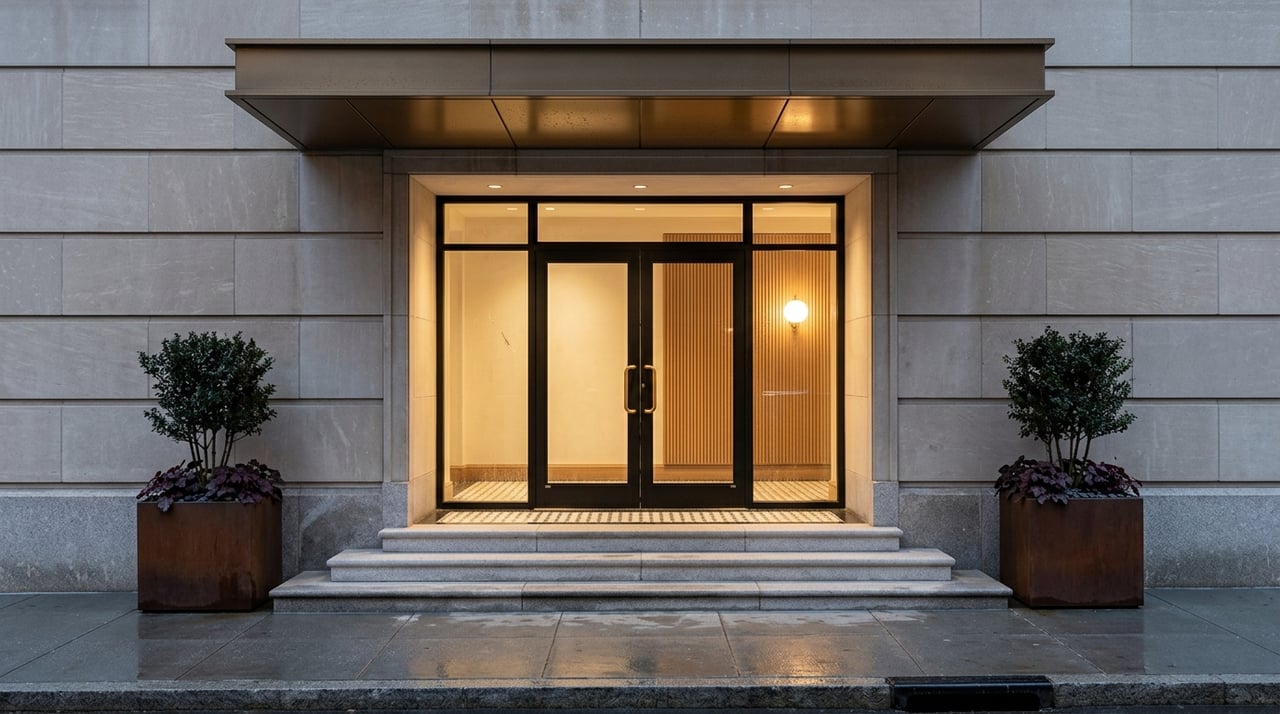
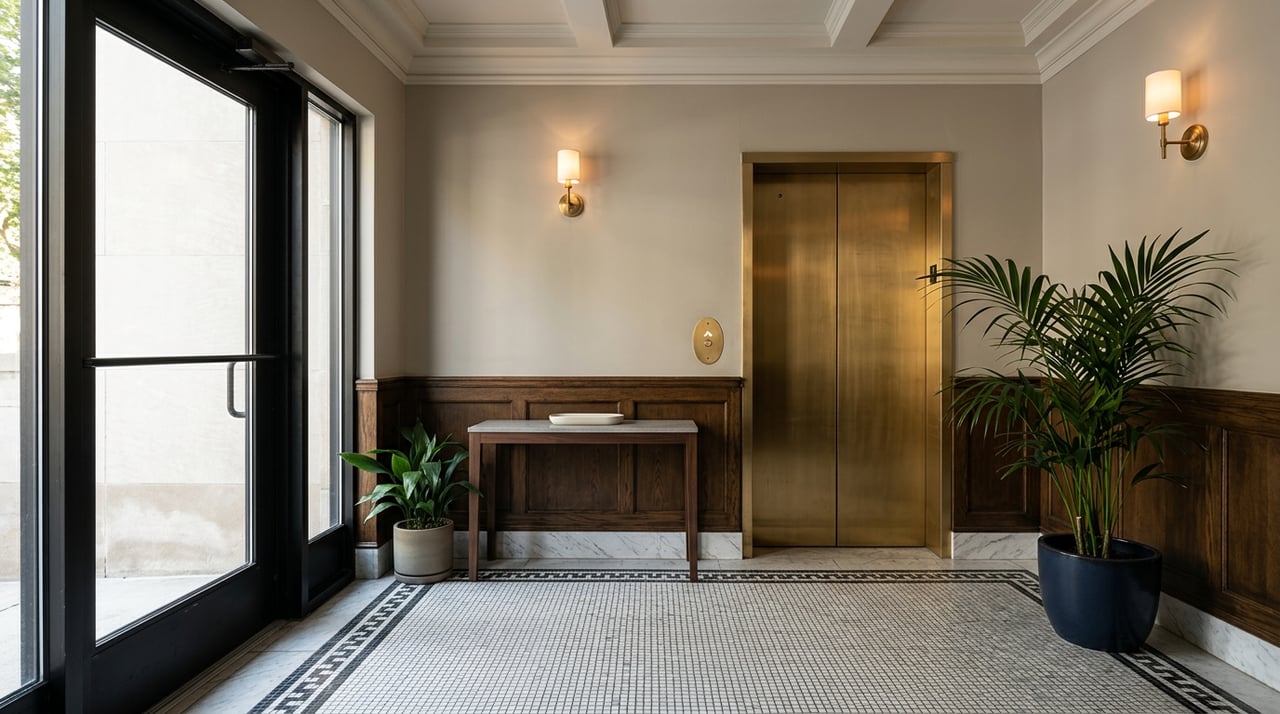
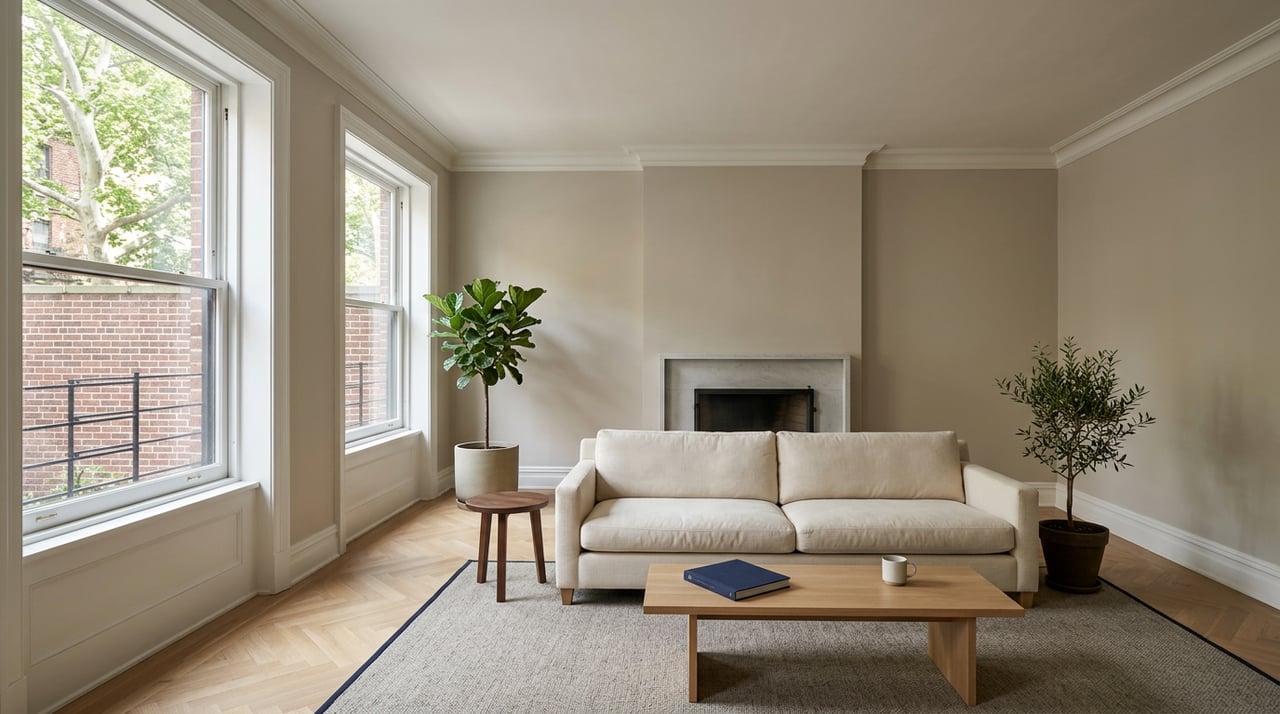
The Upper West Side’s streets tell a story in brick and stone. You will see late‑19th and early‑20th‑century brownstones and rowhouses on many side streets. Along Central Park West and Riverside Drive, grand prewar apartment houses and co‑ops define the skyline, while selective new condos appear around the waterfront and on midblocks.
A large share of the neighborhood falls within historic districts or includes landmarked blocks, which helps preserve its prewar character. Explore the map of designated areas through LANDMARK WEST!.
Who this neighborhood fits
This area supports many lifestyles. You will meet households with and without children, students, cultural professionals, and long‑time residents who value a quieter residential feel with quick access to Midtown and the theater district. Local data shows high educational attainment and above‑average household incomes, which line up with the co‑op and condo inventory across the UWS. For a deeper demographic snapshot, review the Census Reporter profile.
Getting around and daily logistics
If mobility is a priority, the UWS covers your bases:
- Subways: 1/2/3 along Broadway and B/C along Central Park West.
- Crosstown buses: M79, M86, and others link avenues and park edges.
- Bikes and runs: the Hudson River Greenway and Central Park loops.
- Errands: grocery, pharmacy, and services cluster along Broadway, Columbus, and Amsterdam.
For live service changes, consult MTA trip planning.
Buying on the UWS: co‑op or condo?
Most prewar buildings here are co‑ops. That often means a board package, financial disclosures, and an approval process that can extend your timeline. Condos are more common in newer buildings and parts of the waterfront, and they tend to allow greater flexibility on financing and rental policies.
If you are new to NYC real estate, the choice between co‑op and condo affects everything from down payment and closing schedule to renovation plans and sublet rules. A clear strategy upfront can save time and stress.
Is it the right fit for you?
If you want park access on both sides of your neighborhood, a strong performing‑arts scene, and a relaxed pace after work, the Upper West Side delivers that mix. Add classic architecture, steady transit options, and daytime convenience, and you get a lifestyle that feels quietly New York.
If you are debating between neighborhoods or want help planning a co‑op or condo search, let’s talk. The Christina Kremidas Team brings clear guidance on board packages, financing nuance, and closing management so you can move with confidence. Request a Home Valuation or schedule a consultation to map your next steps.
FAQs
What are the boundaries of the Upper West Side?
- The UWS runs roughly from West 59th Street to West 110th Street, between Central Park and the Hudson River, under Manhattan Community Board 7.
How long is the commute from the UWS to Midtown?
- Many trips land around the low‑30‑minute range by public transit, depending on your exact start and line choices.
What housing types are common on the UWS?
- You will find brownstones and rowhouses on side streets, large prewar co‑ops along Central Park West and Riverside Drive, and selective newer condos near the waterfront.
Is the Upper West Side walkable and close to parks?
- Yes. Most daily needs sit along Broadway, Columbus, and Amsterdam, and you are bordered by Central Park to the east and Riverside Park to the west.
What is the evening vibe on the UWS?
- Evenings center on seated dinners and culture, with performances at Lincoln Center and concerts at the Beacon Theatre rather than late‑night club scenes.
What should first‑time buyers know about co‑ops vs. condos here?
- Co‑ops often require board approval and detailed financials, while condos usually offer more flexibility. Your financing goals and timeline will guide the best fit.