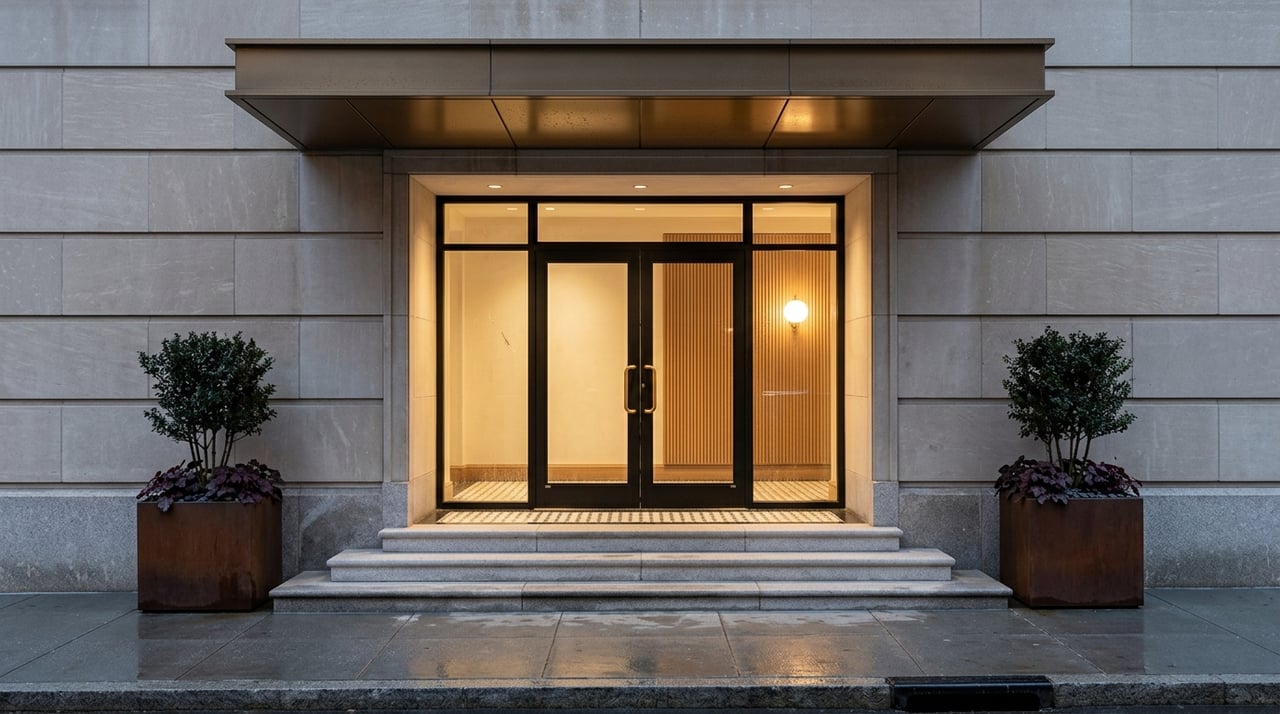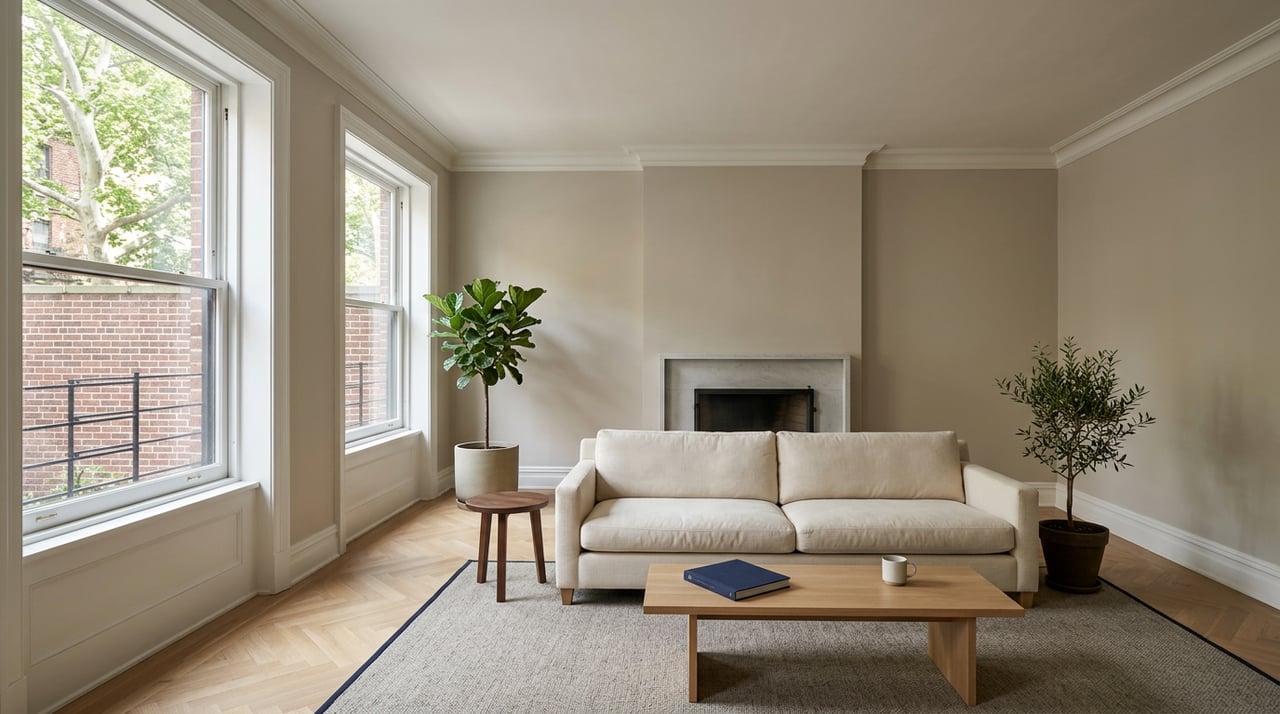

Trying to decide between the Upper East Side and the Upper West Side? You are not alone. Both neighborhoods sit along Central Park, both offer world‑class culture, and both have homes that range from classic co‑ops to new luxury condos. In this guide, you will get a clear, side‑by‑side look at prices, buildings, schools, commute patterns, and lifestyle so you can choose with confidence. Let’s dive in.
Neighborhood snapshot
Boundaries and vibe
If you picture the Upper East Side, think Fifth Avenue along Central Park, Madison Avenue boutiques, and a high concentration of prewar co‑ops. The area commonly spans East 59th to East 96th Streets, from Fifth Avenue to the East River, in line with Manhattan Community Board 8.
The Upper West Side stretches from West 59th to West 110th Streets, bordered by Central Park to the east and the Hudson River to the west, consistent with Manhattan Community Board 7. It blends brownstone blocks, prewar elevator buildings, and cultural anchors near Lincoln Center and Columbus Circle.
Market snapshot: prices you can expect
Recent sold‑price trackers report a median sale price around $1.4 million for both the Upper East Side and the Upper West Side as of early 2026. Listing‑price medians shown by some portals often appear higher than sold‑price medians. That is normal, since list medians track active inventory while sold medians reflect closed deals.
What this means for you: use sold‑price data to calibrate offer strategy, and use listing medians to understand current asking expectations. Also note that co‑op heavy areas can skew neighborhood medians lower than condo‑only datasets, while new‑development clusters can push price‑per‑square‑foot higher nearby.
Building types and product mix
- Upper East Side: A large share of prewar co‑ops along Fifth, Madison, and Park. Farther east, you will find more postwar towers, rental conversions, and newer condos. This mix offers many service‑oriented, doorman buildings and classic layouts.
- Upper West Side: Rows of brownstones and townhouses, many prewar co‑ops, and clusters of luxury condos near Columbus Circle, Lincoln Center, and Central Park West. You will see more townhouse‑style streets and a strong sense of neighborhood retail.
Industry reporting in 2024–2025 noted that luxury condo demand outpaced co‑op deals across Manhattan, which pushed some co‑op boards to relax policies to compete. That trend has shown up on the East Side as well, as covered by trade press on co‑op boards relaxing some rules.
Commute and connectivity
Upper East Side transit
The Lexington Avenue subway (4/5/6) and the Second Avenue Subway (Q) form the backbone of UES travel. The Q line’s 72nd, 86th, and 96th Street stations on the Second Avenue Subway made east‑side commutes significantly easier, especially for Midtown East.
Upper West Side transit
The Upper West Side is served by the Broadway–Seventh Avenue lines (1/2/3) and Central Park West lines (B/C). It is highly convenient to Midtown West, Columbus Circle, and Lincoln Center. Crosstown buses and subway transfers make reaching the East Side workable as well.
Decide by your daily route
If your office sits in Midtown East or along Lexington Avenue, homes near the 4/5/6/Q on the UES may cut transfers. If your day revolves around Columbus Circle or Midtown West, the UWS often wins for simplicity. For a precise comparison, pick sample listings on each side and run door‑to‑desk times using a transit app during the morning peak.
Schools and family orientation
Both sides are popular with families, but the school ecosystems differ by block and by program. The UES is home to several well‑known independent schools, such as The Dalton School and The Brearley School. The UWS also features respected independent schools like Trinity School and has a roster of zoned public schools that families evaluate by catchment and program.
- Private example: The Dalton School on the UES is a widely known independent day school.
- Public note: Zoning is address specific. Always verify the zoned school for a given address via the NYC Department of Education search tool.
Keep admissions timelines, commute routes, and program offerings in mind as you compare addresses. Neutral, block‑by‑block research is essential when schools are a priority.
Lifestyle and amenities
Upper East Side anchors
If you value museum access and refined retail, the UES offers Museum Mile along Fifth Avenue and quieter boutique rows on Madison. The Metropolitan Museum of Art is a global landmark, and you can explore its collections beginning with resources like In Praise of Painting at The Met. You will also find many doorman buildings, Central Park entrances along Fifth, and a calmer feel on certain side streets.
Upper West Side anchors
The UWS centers on culture and community life. Lincoln Center’s performance venues and the American Museum of Natural History shape the neighborhood experience. If you prefer brownstone blocks, pocket parks, and family‑oriented shops and restaurants, the UWS often fits well. For a sense of the area’s cultural scale, see the American Museum of Natural History.
Co‑op vs condo: what it means for you
Co‑op and condo ownership feel similar once you move in, but they work differently when you buy, finance, rent, or sell. Knowing this can save you time and stress.
- Ownership form: In a co‑op you buy shares in a corporation and receive a proprietary lease. In a condo you hold a deed to a specific unit.
- Approval and liquidity: Co‑ops typically require a detailed application and a board interview, along with higher down payments and strong post‑closing liquidity. Condos generally have more flexible approvals and often resell more easily.
- Monthly costs: Co‑op maintenance can include building property taxes and any underlying mortgage. Condo common charges cover operations, while unit owners pay property taxes directly.
- Flexibility: Co‑ops often limit subletting and pied‑à‑terre use. Condos are usually more flexible, which is why they trade at a premium in many cases.
Practical tip: If you need flexibility for rentals or future resale, focus on condos. If you want to maximize space at a lower sticker price and you can meet board and liquidity standards, a co‑op may unlock value, especially on the UES where co‑op inventory is abundant.
Buyer checklist: Upper East Side vs Upper West Side
Use this quick checklist to compare favorite addresses on each side.
- Budget and entry price
- Check the latest median sold price for each side to see what buyers actually paid. Compare against current median asking prices, which may be higher. Note the reporting date and methodology.
- Product type required
- Do you need condo flexibility for rentals or resale, or is a co‑op acceptable with stricter rules and board approval? Confirm sublet and pied‑à‑terre policies in writing.
- Carrying costs
- Compare co‑op maintenance versus condo common charges and property taxes. Ask for the building’s most recent budget and reserve statements to gauge financial health.
- Schools and timelines
- If public schools matter, verify the exact zoned school for the address on the DOE site. If private schools are in play, map daily routes and confirm application deadlines.
- Commute fit
- Test morning commute times from each address to your workplace. On the UES, you will rely on the 4/5/6 and Q. On the UWS, think 1/2/3 and B/C.
- Lifestyle anchors
- UES: Museum Mile, Madison Avenue retail, many doorman buildings and Central Park access. UWS: Lincoln Center, American Museum of Natural History, townhouse blocks, and neighborhood‑oriented retail.
- Liquidity and resale horizon
- Condos usually offer easier financing and broader buyer pools. Co‑ops can take longer and require board approval for resales. Match your time horizon and risk tolerance to the product type.
Which side is the better value?
There is no single winner. Both neighborhoods post median sold prices around the same level in recent snapshots, but your value will depend on the building category and block. If you want classic prewar layouts with white‑glove service and you can navigate a co‑op board, the UES can offer larger apartments for the price. If you want condo flexibility, townhouse streets, and quick access to Midtown West, the UWS may deliver the lifestyle you want, with a growing supply of high‑end condos near its cultural core.
In either case, remember that price per square foot varies sharply by product type and micro‑location. New developments and park‑front buildings tend to command the highest PPSF, while mid‑block prewar co‑ops and walk‑ups usually trade lower. Compare apples to apples across your shortlist before you decide.
Next steps
If you are choosing between a few addresses on both sides, we can help you model total monthly carry, approval odds, and door‑to‑desk commute times, then negotiate a winning offer when the right home appears. To tap into white‑glove guidance, creative deal strategy, and expert board navigation, connect with The Christina Kremidas Team.
FAQs
What are the typical boundaries of the UES and UWS?
- The UES runs from East 59th to East 96th Streets, from Fifth Avenue to the East River, while the UWS runs from West 59th to West 110th Streets, from Central Park to the Hudson River.
Are prices higher on the Upper East Side or Upper West Side?
- Recent sold‑price snapshots show similar medians near $1.4 million on both sides, though listing medians can appear higher depending on the data source and timing.
Which side is better for commuting to Midtown East or Midtown West?
- For Midtown East, the UES near the 4/5/6 and Q often offers fewer transfers; for Midtown West and Columbus Circle, the UWS near the 1/2/3 and B/C is typically more direct.
How do co‑ops and condos differ for buyers in these neighborhoods?
- Co‑ops often have lower purchase prices but stricter board approval and rules; condos usually cost more but offer easier financing, greater flexibility, and broader resale appeal.
What should I know about schools on the UES and UWS?
- Both sides include respected public and private options; zoning is address specific for public schools, and private schools have their own admissions timelines, so verify details for each address.