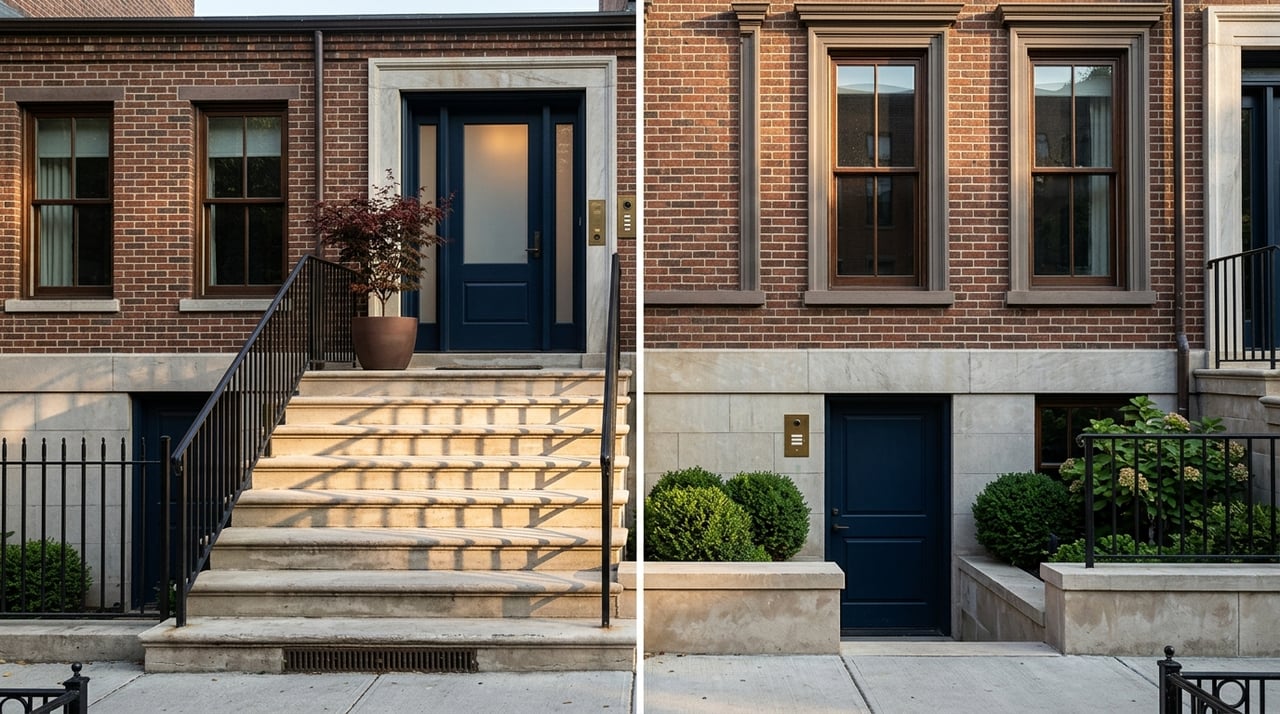
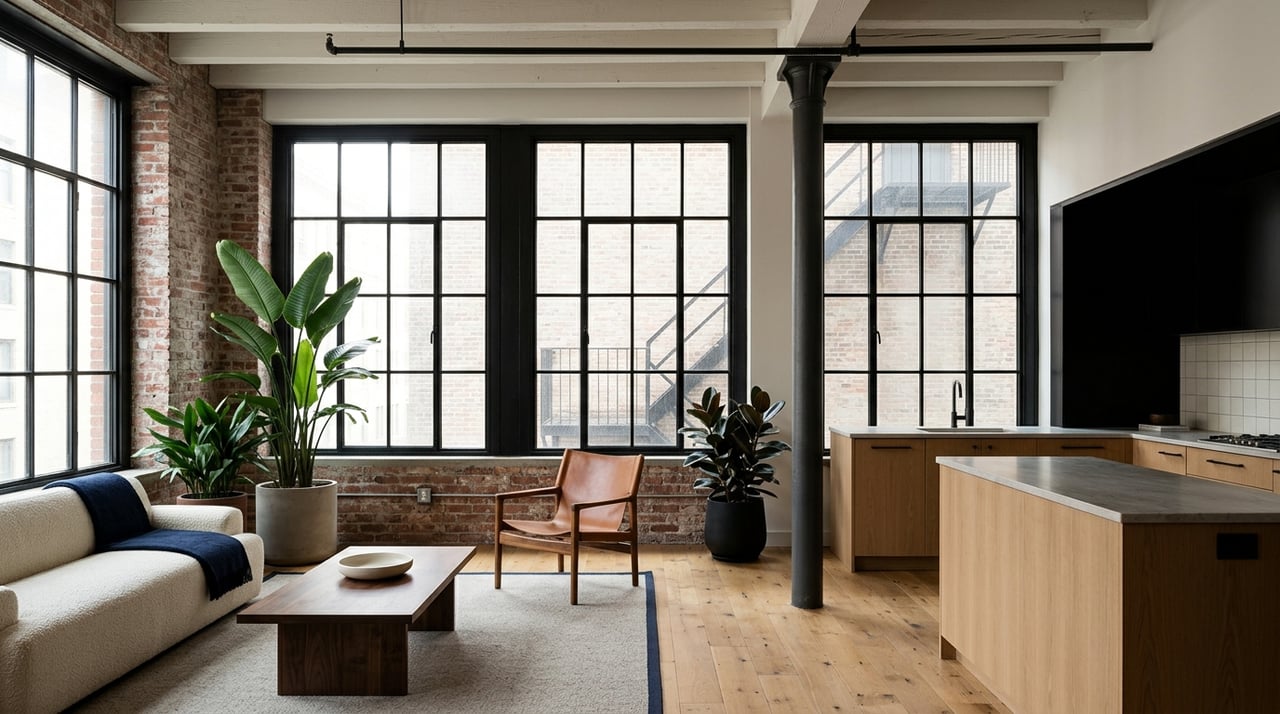
If you picture loft living in Flatiron as one simple category, you may be in for a surprise. In this part of Manhattan, lofts can feel dramatic, bright, and full of character, but they can also vary widely in layout, legal setup, and renovation flexibility. If you are thinking about buying a loft here, understanding how space, light, and building history come together can help you make a much smarter decision. Let’s dive in.
Why Flatiron lofts feel different
Flatiron is not a neighborhood of cookie-cutter residential buildings. City planning documents describe the broader Flatiron and NoMad area as a historic mixed-use district with commercial buildings, street-level retail, office space, and residential uses layered together across the neighborhood. Around Madison Square Park, that mix is a big part of what gives the area its energy and architectural texture.
That history matters when you shop for a loft. The Madison Square North Historic District designation report describes roughly 96 buildings dating from the 1870s through the 1930s, reflecting a shift from hotels and entertainment uses to mercantile office and loft structures. In practical terms, that means today’s loft inventory often comes from older commercial buildings that were adapted over time rather than designed from scratch as modern residences.
What “loft” can mean in Flatiron
In Flatiron, a loft often starts with the bones of a former store-and-loft or mercantile building. The Landmarks Preservation Commission report on 827-831 Broadway notes that these were originally store-and-loft buildings with upper floors that were later subdivided, repurposed, used for storage, or left vacant as commercial demand changed.
For you as a buyer, that means one loft may offer an open, airy floor plate, while another in a similar building may feel much more segmented. There is no single Flatiron loft template. The combination of original building design and later alterations often shapes how the apartment lives today.
Expect layout variation
One of the biggest draws of loft living is flexibility, but in Flatiron that flexibility can come with tradeoffs. Some units still preserve broad open areas that make the most of scale and natural light. Others have been heavily divided into more conventional rooms, which can change how spacious the home feels.
Because these homes were often created inside former commercial shells, details like ceiling height, column placement, and room flow can differ a lot from unit to unit. A smart search is less about chasing the word “loft” and more about studying how the actual floor plan supports your daily life.
Open space versus defined rooms
If you work from home, entertain often, or care deeply about volume, an open loft may be a great fit. If you want more separation between living, sleeping, and work areas, a loft that has already been subdivided may feel more practical.
Neither option is better across the board. The right choice depends on whether you value flexibility and visual drama or more defined day-to-day function. In Flatiron, you will often have to balance both.
Why light matters so much
Natural light is one of the biggest reasons buyers are drawn to loft buildings in this area. The same 827-831 Broadway report describes lofts with abundant natural light as ideal studio spaces and references interiors with skylights and large front windows that felt airy and light.
That idea still resonates with buyers today. Many people are willing to trade a more traditional room layout for larger windows, better daylight, and a stronger sense of openness. In the right unit, that combination can create the classic New York loft feeling people imagine when they think of Flatiron.
Light is not guaranteed
This is where buyers need to slow down. Landmark status and historic character do not guarantee bright interiors. According to the NYC Landmarks Preservation Commission permit guidance, the agency does not regulate floor area, density, obstruction of sunlight or air, or building use.
So even if a building sits in a historic district or has beautiful original windows, you still need to evaluate the actual light conditions in the apartment itself. Orientation, floor level, neighboring buildings, interior divisions, and how much of the floor plate reaches the windows can all affect how bright the home feels.
What to check on a showing
When you tour a Flatiron loft, try to look beyond staging and finishes. Focus on the parts of the apartment that are hard to change.
Ask yourself:
- How many rooms receive direct window exposure?
- Are the main living areas close to the windows or pushed deeper into the floor plate?
- Does the unit feel bright throughout the day or only at certain hours?
- Have later renovations reduced the sense of openness?
- Do the ceiling height and window size support the airy feeling you want?
In this building category, light and layout are closely connected. A loft can have big windows on paper but still feel darker than expected if too much of the home sits far from them.
Understand the legal setup before you fall in love
With Flatiron lofts, the legal side matters just as much as the design. In New York, a co-op buyer purchases shares in a corporation and receives a proprietary lease, while a condo buyer owns an individual unit plus an interest in the common elements, according to the New York Attorney General’s co-op guidance.
That distinction affects ownership, monthly costs, board oversight, and your purchase process. It is also why reviewing the full offering plan and board minutes is so important. The Attorney General specifically recommends doing both before buying a co-op or condo.
Certificate of Occupancy matters
Before buying any loft, confirm the building’s legal occupancy. The NYC Department of Buildings states that no one may legally occupy a building until a Certificate of Occupancy, or temporary Certificate of Occupancy, has been issued. DOB also notes that pre-1938 buildings may be exempt unless later alterations changed use, egress, or occupancy.
That is especially relevant in older Flatiron buildings. A beautiful loft aesthetic does not tell you whether the use is legally straightforward. You want the building records and occupancy status to support the way the property is being marketed and used.
Some buildings may have Loft Law history
Certain older loft properties in New York still intersect with the Loft Law. The NYC Loft Board explains that an Interim Multiple Dwelling is generally a former commercial, manufacturing, or warehouse building without a residential Certificate of Occupancy but with qualifying residential occupancy history.
If a building falls into that category, legalization can involve construction work, permits, and eventually a residential Certificate of Occupancy. For you, the key takeaway is simple: if a property is described as live/work, artist-style, or loft-like, always verify the lawful occupancy first.
Due diligence goes beyond finishes
Lofts can be visually emotional purchases. Exposed brick, oversized windows, and dramatic proportions are easy to fall for. But the Attorney General’s buyer guidance makes clear that physical due diligence is essential, including the facade, roof, flooring, appliances, sub-soil, elevators, HVAC, windows, electrical wiring, and plumbing.
That checklist is especially important in older Flatiron buildings, where age and conversion history can affect both maintenance and renovation plans. A polished interior does not always tell you what is happening behind the walls or at the building level.
Review building history carefully
In Flatiron, older buildings often come with layered histories of commercial use, later subdivision, and eventual residential adaptation. That does not make them risky by definition. It just means your review should be more detailed and more building-specific.
This is where having experienced guidance can make a real difference. You want to understand not only what the apartment looks like today, but also how the building has been managed, altered, and legally documented over time.
Landmark rules can shape your options
Many buyers love Flatiron precisely because of its architecture. The neighborhood’s historic character is a major part of its appeal, and the Flatiron Building landmark designation highlights both its architectural importance and the idea that significant buildings can remain in active use through thoughtful adaptation.
Still, if your loft is in a historic district or an individual landmark, exterior changes may require review. The Landmarks Preservation Commission says most exterior work on front or rear facades requires approval, though ordinary repairs like replacing broken window glass or repainting to match existing color generally do not.
Renovation flexibility may be limited
If your dream is to fully reinvent a property, understand the limits before you buy. Landmark rules do not freeze a building, but they can affect what is possible and how long approvals may take. This is especially true for work involving windows, facades, or other visible exterior elements.
For many buyers, that is a worthwhile tradeoff for owning a home in one of Manhattan’s most architecturally distinctive districts. For others, a more standardized building may be easier to live with.
The Flatiron lifestyle tradeoff
A Flatiron loft is about more than square footage. It is also about living in a central, transit-rich part of Manhattan shaped by architecture, pedestrian activity, retail, and public space. The city’s Flatiron plaza information notes the neighborhood’s plazas next to Madison Square Park, daily foot traffic above 50,000, and access to the R, W, F, M, and 6 trains along with several bus routes.
That level of connectivity is a major advantage if you want easy movement around the city. It also means the neighborhood feels active and urban. If you want a quieter, more uniform residential environment, Flatiron may not check every box.
Who tends to love buying here
Flatiron often appeals to buyers who want:
- Distinctive architecture and historic character
- Central access to multiple subway lines
- A home with volume, light, and original loft details
- A neighborhood anchored by Madison Square Park and active street life
- A property that feels less standardized than a typical apartment
It may be less appealing if you want a highly predictable floor plan, minimal board or regulatory complexity, or broad freedom to alter exterior-facing features.
How to buy more confidently
If you are serious about buying a loft in Flatiron, go in with a sharper checklist than you might use for a typical condo search. Focus on what is hard to change, what needs to be legally verified, and what kind of daily living experience you actually want.
A practical buying framework includes:
- Study the layout closely. Do not assume “loft” means open or flexible.
- Visit with light in mind. Check window exposure, orientation, and depth of the floor plate.
- Verify legal occupancy. Review the Certificate of Occupancy or exemption status.
- Understand the ownership structure. Co-op and condo purchases work differently in New York.
- Read the building documents. Offering plans and board minutes can reveal a lot.
- Review building systems. Older properties deserve careful physical due diligence.
- Factor in landmark review. Especially if renovation is part of your plan.
When you approach Flatiron lofts this way, you can separate the homes that are simply photogenic from the ones that truly support your goals.
Buying a loft in Flatiron can be incredibly rewarding if you value space with personality, strong natural light, and a deeply New York setting. The key is to pair the romance of the architecture with disciplined due diligence. If you want help evaluating layouts, navigating co-op or condo questions, and understanding how a specific Flatiron property fits your lifestyle, connect with The Christina Kremidas Team.
FAQs
What makes a Flatiron loft different from a typical apartment?
- Flatiron lofts often come from older store-and-loft or mercantile buildings, so layouts, ceiling heights, window exposure, and room divisions can vary much more than in a standard apartment building.
Does landmark status mean a Flatiron loft will have great light?
- No. The Landmarks Preservation Commission does not regulate sunlight or air, so you still need to evaluate window orientation, floor level, neighboring buildings, and interior layout.
What should you verify before buying a loft in Flatiron?
- You should confirm the ownership structure, review offering plans and board minutes, check the building’s Certificate of Occupancy or exemption status, and inspect major building systems and maintenance history.
Can you use a Flatiron loft as live/work space?
- Maybe, but you should verify the lawful occupancy first through the building’s Certificate of Occupancy and, where relevant, Loft Law status rather than relying on marketing language alone.
Is Flatiron a good fit for loft buyers who want convenience?
- Flatiron can be a strong fit if you want central Manhattan access, multiple transit options, active public spaces, and a neighborhood defined by historic architecture and mixed-use energy.