
If you are selling a luxury home on the Upper East Side, the biggest mistake is treating the neighborhood like one market. It is not. Co-ops, condos, and townhouses each attract different buyers, move on different timelines, and raise different questions. If you want a stronger launch and a smoother sale, you need a strategy built around your exact property type, building context, and timing. Let’s dive in.
Why Upper East Side luxury sales need nuance
The Upper East Side is a high-end market, but it is not one uniform pricing bucket. In the 2025 Elliman decade report, the area logged 1,716 co-op closings versus 728 condo closings, which shows how important building type is in this neighborhood.
That same report found that co-ops averaged $1.977 million, with a median of $1.025 million and $1,402 per square foot. Condos averaged $3.004 million, with a median of $1.9825 million and $1,959 per square foot. For you as a seller, that means luxury pricing has to reflect whether your home is a co-op, condo, or townhouse, not just the Upper East Side address.
Manhattan-wide data also supports a strong, well-prepared high-end launch. In first quarter 2026, the Manhattan luxury entry point was $4.43 million, with 903 luxury listings on the market, and the $3 million to $5 million segment showed a strong rebound. That matters for many Upper East Side larger apartments and townhouse sales, where presentation and positioning can make a meaningful difference.
Price your home by product type
Luxury buyers on the Upper East Side tend to compare very carefully. They are not just looking at neighborhood prestige. They are looking at line, layout, finishes, monthly charges, board requirements, and how your home stacks up against similar options.
That is why same-building and same-line comparisons matter so much. A beautifully renovated co-op may still compete in a very different lane than a newer condo with higher flexibility, and monthly maintenance or common charges can shape buyer perception just as much as square footage.
For townhouses, the pricing conversation can be even more specific. Buyers often weigh scale, outdoor space, condition, and exterior presentation alongside location. In this part of Manhattan, details that signal how much work a buyer may need to take on after closing can affect both urgency and offers.
Give yourself enough prep time
One of the most common luxury-selling mistakes is rushing to market before the home is truly ready. StreetEasy’s NYC analysis found that March is the best month for sellers, spring buyer inquiries are 36.5% higher than autumn and early winter, and March listings have a 4.1% higher probability of selling above ask.
That does not mean you should wait until March to start. StreetEasy recommends giving yourself at least a month of lead time for repairs and decluttering, and many luxury sellers benefit from more runway than that, especially if they are balancing privacy, design decisions, or board-related prep.
In practical terms, you should aim to prepare well ahead of the spring market. That gives you time to handle touch-ups, edit personal items, refine staging, gather paperwork, and create polished marketing assets instead of assembling everything at the last minute.
Stage for clarity, not perfection
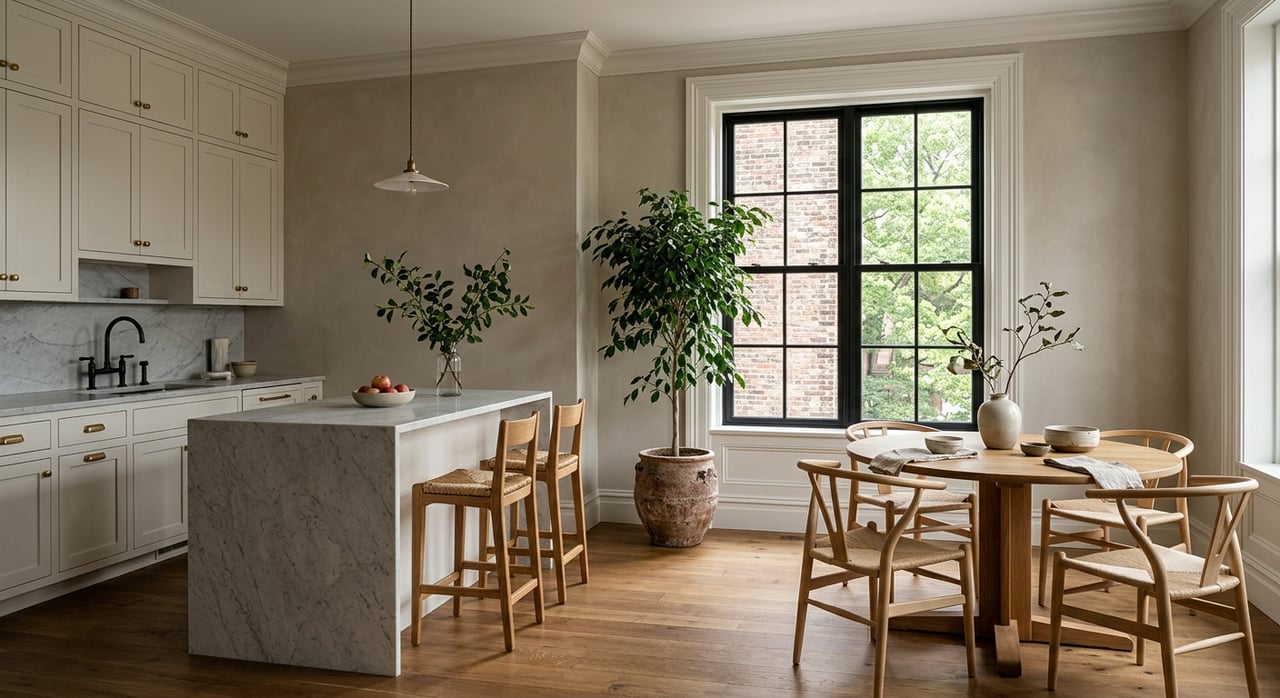
Luxury staging works best when it helps buyers focus on scale, light, and flow. It is not about stripping every bit of personality from the home. It is about making the space easier to understand and easier to imagine living in.
The 2025 NAR staging survey found that 29% of agents saw a 1% to 10% increase in value from staging, while 49% said staging reduced time on market. Buyers’ agents also said staging made it easier for buyers to visualize a future home, with 83% pointing to that benefit.
For a lived-in co-op, condo, or townhouse, that usually means prioritizing the rooms and details buyers notice first:
- Entry sequence and first impression
- Living room scale and furniture layout
- Primary bedroom calm and openness
- Dining areas that show entertaining potential
- Home office areas, if relevant to the layout
- Clean, edited kitchen and bath surfaces
Some personal elements can stay, but they should be selective and understated. In luxury marketing, the goal is to let the architecture and finish level lead the story.
Use visuals to protect privacy
For many Upper East Side luxury sellers, privacy matters almost as much as price. The good news is that you do not have to choose between broad exposure and controlled access if your marketing plan is built correctly.
Research from NAR shows that photos, physical staging, videos, and virtual tours are important listing assets. NAR also notes that MLS exposure usually provides the broadest reach, while showings and open houses help buyers ask questions and engage in person.
In a luxury setting, the smartest balance is often to separate exposure from access. Strong photography and video can do much of the early filtering, so you attract serious interest without opening the door too widely. Then in-person showings can remain appointment-only or otherwise tightly managed.
Co-op sales require building readiness
On the Upper East Side, co-op dynamics are often part of the sale before a buyer ever submits a board package. Sophisticated buyers and their representatives will look closely at the building, not just the apartment.
The New York Attorney General explains that co-op owners are shareholders and tenants in a corporation governed by a board that must follow the bylaws, proprietary lease, and house rules. The office also notes that board minutes, annual financial reports, and the offering plan are important sources of building information.
For you as a seller, that means buyer confidence can be shaped by factors such as:
- Recent board minutes
- The building’s financial condition
- House rules and renovation policies
- Any patterns of deferred maintenance or recurring issues
- The general clarity of the purchase process
Even though the buyer is the one who faces board review, sellers benefit when this material is organized and expectations are clear early. It can reduce surprises, strengthen buyer trust, and help keep the deal moving.
Condo sales can feel easier, but details still matter
Condo sales are often seen as simpler than co-op sales, and in many cases they are more flexible. But that does not mean there are no building-level steps to manage.
New York condominium regulations require the declaration and bylaws to state any restrictions on sale or lease. If the board has a right of first refusal, the plan must also describe the notice period and the number of days the board has to exercise that right.
For a luxury seller, this means condo preparation should include confirming whether any notice requirements or right-of-first-refusal timelines apply. That kind of due diligence helps avoid late-stage delays, especially when both sides expect a faster, cleaner transaction.
Townhouses need exterior review before launch
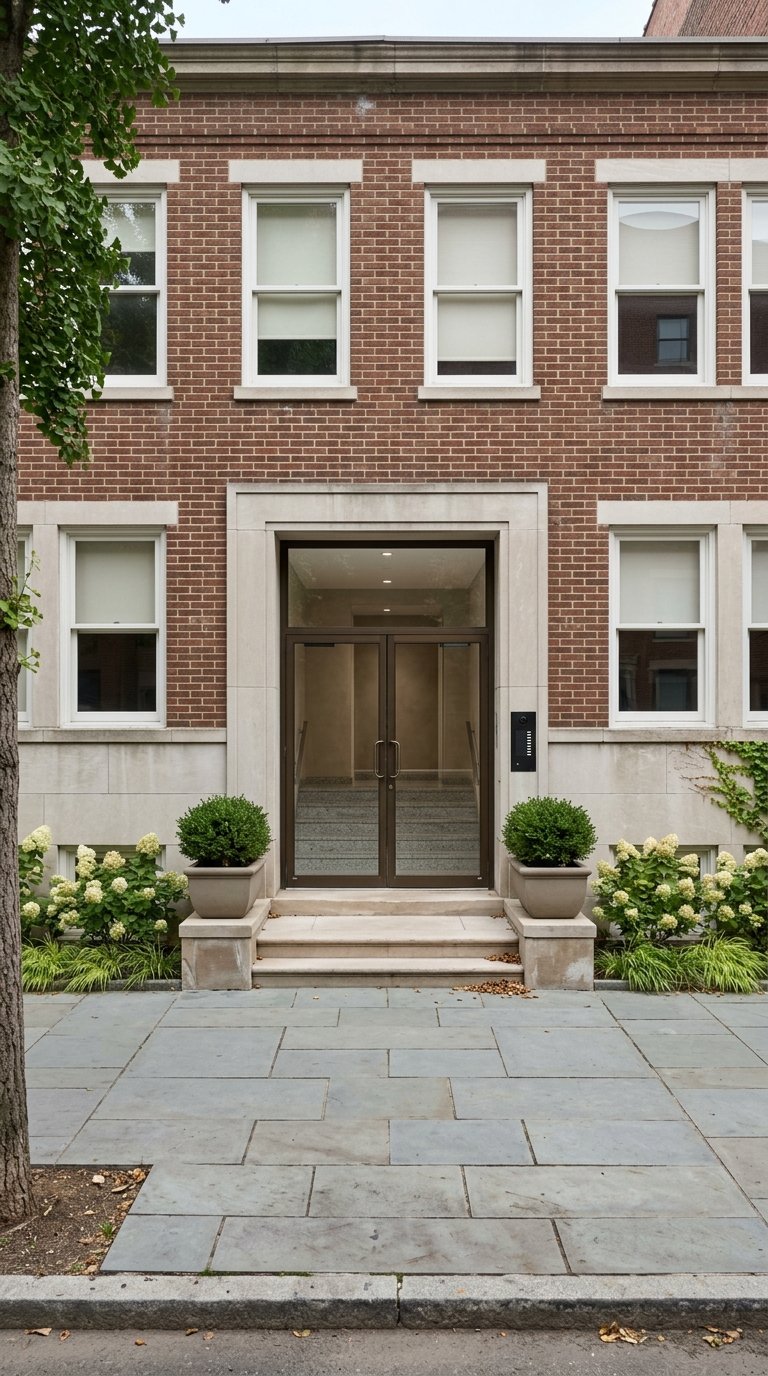
Upper East Side townhouse sellers should take a close look at the exterior before listing. The official Landmarks Preservation Commission map shows a designated Upper East Side Historic District, and LPC states that most exterior changes in historic districts require review and permits.
Importantly, LPC notes that even work that would not require a Department of Buildings permit can still require LPC approval. If your townhouse has visible façade, window, stoop, railing, or other exterior-condition issues, it is worth reviewing them before the home goes live.
This is not just about compliance. It is also about buyer confidence. In the luxury townhouse market, unresolved exterior questions can create hesitation, extend due diligence, or affect how buyers think about future cost and effort.
Build a premium marketing plan
Luxury marketing should feel polished, but it also needs to be practical. The clearest support in the research points to broad exposure, strong visuals, and a campaign that reaches serious buyers across multiple channels.
NAR identifies staging, photography, social media, signage, MLS exposure, showings, and open houses as standard marketing tools. In the luxury Upper East Side context, that supports a strategy centered on high-quality photography, video, targeted outreach, and selective showings, rather than relying on any single tactic.
This is where a creative, well-managed campaign can make a difference. Your home needs a clear story, a sharp visual identity, and a launch plan that matches the property type, buyer pool, and level of privacy you want to maintain.
Set expectations around taxes and net proceeds
Luxury sellers should also be realistic about the tax backdrop that surrounds a deal. New York State says the base real estate transfer tax is paid by the seller, while the buyer generally pays the 1% mansion tax on residences at $1 million and up, plus New York City’s supplemental tax on residential transfers of $2 million and up.
These taxes do not directly set your asking price, but they can shape buyer psychology. In the Upper East Side luxury bracket, where many deals cross these thresholds, they often become part of the broader negotiation and net proceeds conversation.
When pricing and positioning your property, it helps to understand not just what your home is worth on paper, but how buyers may react to the total cost of acquisition. That is one more reason precision matters in this market.
Selling a luxury home on the Upper East Side is part pricing exercise, part marketing exercise, and part transaction management. When you prepare early, price against the right competitive set, tighten the visual presentation, and account for building-specific details, you give yourself a better chance at a cleaner, more confident sale.
If you are thinking about selling and want a strategy tailored to your apartment or townhouse, The Christina Kremidas Team can help you plan the timing, pricing, marketing, and deal management with the level of care NYC luxury sales demand.
FAQs
How much time should you allow before listing a luxury Upper East Side home?
- You should allow at least a month for repairs and decluttering, and often longer for luxury listings that need staging, visual production, or building and document prep before launch.
What should you stage when selling a luxury home on the Upper East Side?
- You should focus on key spaces that drive first impressions and help buyers understand the layout, especially the entry, living room, primary bedroom, dining area, and any office space.
How do co-op board documents affect an Upper East Side sale?
- Co-op board minutes, financial reports, offering plans, and house rules can influence buyer confidence because they help buyers understand the building’s financial condition, governance, and potential friction points.
When does condo flexibility change the selling process in Manhattan?
- Condo flexibility matters when buyers are comparing ease of ownership and transaction speed, but sellers still need to confirm any sale restrictions, notice periods, or right-of-first-refusal timelines.
Why do privacy and exposure both matter in luxury Upper East Side listings?
- Privacy matters because many luxury sellers want controlled access, while exposure matters because broad, high-quality visual marketing helps attract serious buyers before in-person showings are scheduled.
Why is spring timing important for selling a luxury NYC property?
- Spring matters because NYC buyer inquiries are higher during that season, and March has been identified as the best month for sellers with a higher probability of selling above ask.