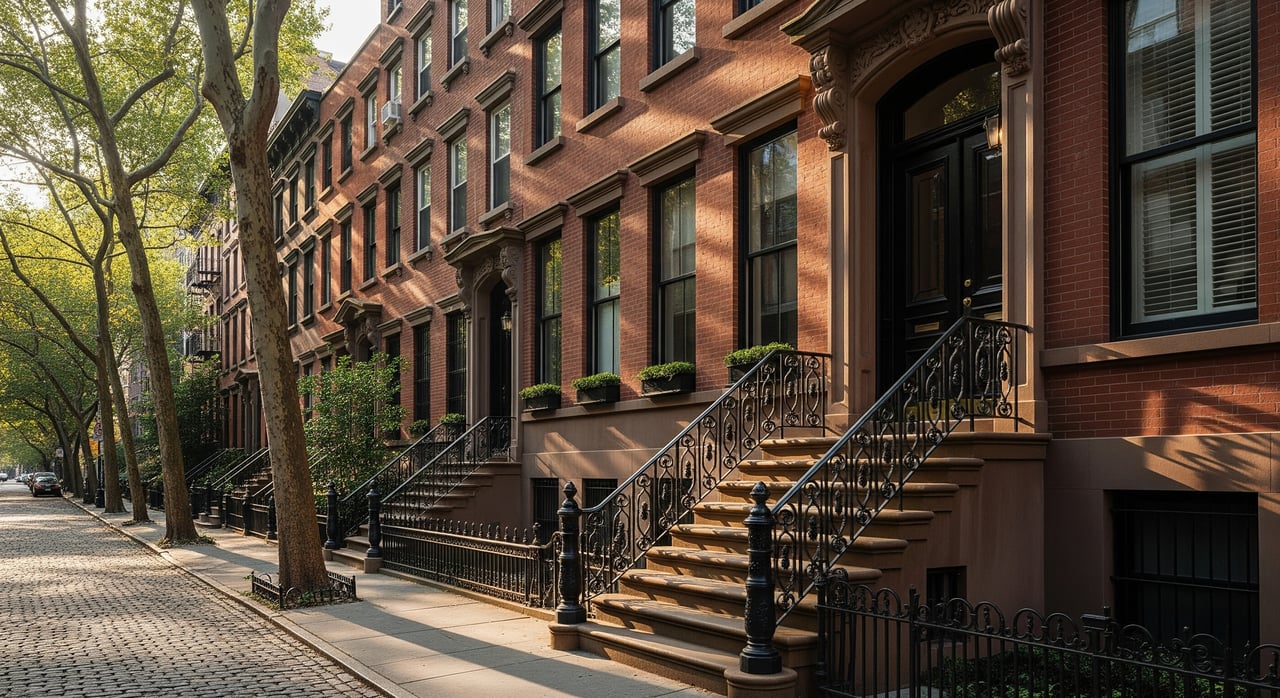
Are you drawn to the West Village’s cobblestone charm and historic facades, but unsure how landmark rules affect your purchase or renovation plans? You are not alone. Many buyers love the character and stability of landmarked blocks, yet worry about approvals, timelines, and costs. In this guide, you’ll learn what “landmarked” really means in the West Village, how LPC approvals work, how it impacts renovations and resale, and the exact due diligence steps to take before you bid. Let’s dive in.
West Village landmark basics
Buying in the West Village often means buying in a protected historic context. The New York City Landmarks Preservation Commission (LPC) regulates many buildings here to preserve the neighborhood’s architectural character. The rules focus on features identified in the property or district’s designation report.
In practice, you should confirm whether a building sits in a historic district, is an individual landmark, or, in rare cases, has protected interior spaces. Start your research with the LPC’s overview of its role and resources on the Landmarks Preservation Commission website.
Types of designation
- Historic district: Exterior features visible from public view are regulated to keep streetscapes consistent.
- Individual landmark: The entire exterior is typically protected.
- Interior landmark: Specific interior spaces may be protected. This is rare but important if it applies.
You can review protected features for a given property or district in the LPC’s designation reports. These documents are essential for due diligence.
What changes are regulated
Most exterior changes visible from the street require LPC review. Common examples include windows, doors, cornices, stoops, railings, and masonry repairs that change appearance. Rooftop bulkheads and rear-yard additions can be regulated if they are visible from public ways or neighboring vantage points. Interior work is regulated only if the interior is separately designated, or if the work affects protected public-facing features.
Approvals and the Certificate of Appropriateness
If your planned work affects protected features, you will likely need LPC authorization before the NYC Department of Buildings (DOB) issues permits. LPC approvals can be staff-level for routine work or proceed to a full Commission review for major changes.
When a COA is required
A Certificate of Appropriateness (COA) is LPC’s approval for changes that affect designated features. For minor work that does not affect protected features, LPC may issue a Certificate of No Effect. Many routine, in-kind repairs can be approved at staff level if they match existing materials and details. Explore LPC’s application pathways in the applications and permits section.
Staff vs Commission review
- Staff-level approvals: Many compatible alterations are approved administratively.
- Full Commission review: Major alterations, demolitions, or high-interest items are scheduled for a public hearing and Commission vote.
LPC maintains public records of past approvals, which can help you gauge what is likely to be approved. You can search a property’s history using the LPC Permit Application Finder.
Timelines and how to plan
Approval timelines vary. Simple, well-documented applications can be approved in weeks. Larger or more visible changes can take months, particularly if revisions or a public hearing are required. Build extra time into your schedule for LPC review, and sequence applications so that LPC authorization is in place before you seek DOB permits.
Renovations, costs, and DOB coordination
Landmark rules do not stop renovations. They guide them. The goal is visual compatibility with historic fabric, which influences materials, details, and methods.
What typically needs approval
- Exterior work visible from public view: windows, doors, facades, stoops, railings, cornices, and storefronts.
- Rooftop or rear-yard additions if visible.
- Demolition or replacement of character-defining elements.
- Interior work if a rare interior designation applies or if it affects protected features.
DOB will still review structural, mechanical, and code-related work. For most regulated scopes, DOB will look for LPC approval before issuing permits. Learn about building records and permits in DOB’s Building Information Search.
Materials and methods
LPC favors “in-kind” repair, which means matching materials and details. Alternate materials can be considered if they are visually compatible and justified. This often means working with specialists who understand historic construction and preservation-grade products.
Cost and schedule considerations
Budget for both direct and indirect costs. Direct costs include custom or historically appropriate materials and specialized contractors. Indirect costs include extended design time, documentation for LPC, and potential consultant fees such as a preservation architect. Plan for a longer runway from concept to construction due to the sequence of LPC review, possible revisions, and DOB permitting.
Buying strategy and resale
There is a real tradeoff to weigh. Many buyers prize the West Village’s preserved streetscapes and original details. Others focus on speed, modern systems, and renovation flexibility.
Who values landmarks
Landmarked properties appeal to buyers who love historic charm and value neighborhood stability. That stability can support long-term value by maintaining the look and feel of the area. Buyers who prioritize low-maintenance living or quick renovations may find the added steps less appealing.
Resale and liquidity
Landmark status can support values over time by protecting a neighborhood’s character. That said, some buyers price in higher renovation costs and possible delays, which can narrow demand for certain property types. For example, fully restored townhouses may benefit from the prestige of careful preservation, while small units needing exterior work may face more questions from buyers concerned about approval hurdles.
Ownership type matters
- Co-ops: Many West Village buildings are co-ops. You will follow board rules for renovations, contractor insurance, and work schedules in addition to LPC and DOB steps. This can lengthen the approval chain.
- Condos: Internal approvals are usually simpler, though building rules still apply for exterior or common-area changes. LPC approvals remain required for regulated work.
- Townhouses: Single-family or multi-unit townhouse projects still require LPC and DOB approvals where applicable.
Financing, insurance, and appraisal
Lenders and appraisers will consider the condition of the property and the scope of necessary repairs. Some lenders may want confirmation that required LPC approvals are in place before funding renovation budgets. Insurance underwriting for older buildings can also hinge on condition and scope of work, so confirm policy terms early.
If you are considering improvements to an income-producing property, you can explore the National Park Service’s historic rehabilitation tax incentives. These apply to qualifying income-producing projects and have specific criteria.
Due diligence checklist for buyers
Use this step-by-step approach to reduce risk and sharpen your offer strategy.
Pre-offer research
- Confirm designation status and read the property or district’s LPC designation report.
- Review the building’s LPC history for prior approvals, denials, or enforcement using the LPC Permit Application Finder.
- Pull DOB records for permits, violations, and complaints using the Building Information Search.
- Check recorded property documents and ownership history in NYC Finance’s ACRIS system.
- Ask the seller or board for copies of past LPC Certificates, correspondence, contractor invoices, and any documentation for exterior work.
- Request the building’s house rules and renovation policies, including contractor requirements and insurance minimums.
During inspection and offer
- Include contingencies for reviewing LPC, DOB, and permit files.
- Get a feasibility assessment from an architect with LPC experience for planned changes like window replacements, stoop repairs, or a rooftop addition.
- Estimate time and budget impacts of LPC review and specialized materials so you can structure a realistic closing and move-in plan.
Contract and closing
- If major work is planned, add a realistic schedule to your purchase plan that accounts for possible Commission hearings and DOB permitting.
- Consider negotiating concessions or escrow funds if known LPC issues or unauthorized work must be corrected before transfer.
Post-purchase planning
- Engage a preservation-experienced architect or contractor early to prepare application drawings and materials.
- Schedule a pre-application consultation with LPC staff for complex proposals. You can review application steps in LPC’s applications hub.
- Build cost and time contingencies into your budget for specialized trades and the review process.
Other helpful resources
- LPC overview and owner resources: Landmarks Preservation Commission
- Preservation guidance and contractor resources: New York Landmarks Conservancy
Tips for a smooth LPC process
- Hire pros with LPC experience. A preservation-minded architect and contractor can set realistic expectations and design to likely approvals.
- Use pre-application consultation for complex or unusual proposals.
- Submit complete, clear packages. Include accurate photos, elevations, material samples, and rationale for any alternative materials.
- Sequence approvals in the right order. Get LPC authorization before submitting related DOB permits to avoid rejections or redesign.
- Coordinate with building governance. Align board approvals with LPC timing to keep your schedule on track.
- Plan for inspections and site protections. Follow LPC requirements to safeguard character-defining features during construction.
Putting it all together
Buying in a landmarked West Village building can be a smart, satisfying choice if you value historic character and long-term neighborhood stability. You will navigate an extra layer of approvals, and your renovation plan will benefit from early expert guidance. With the right due diligence, realistic timelines, and a team used to LPC, DOB, and board processes, you can enjoy the best of West Village living without surprises.
If you want a guided path through LPC expectations, board rules, and closing logistics, connect with The Christina Kremidas Team. Our boutique, high-touch approach pairs clear education with high-level execution so you can buy confidently and start your West Village chapter on the right foot.
FAQs
What does landmark status mean in the West Village?
- Landmark status means LPC regulates changes to protected features, usually exterior elements visible from the street, to preserve historic character.
Do I need LPC approval to replace windows?
- If windows are visible from public view, you will likely need LPC approval, which can be staff-level if replacements match historic details and materials.
How long does a COA take to obtain?
- Timelines vary from weeks for simple staff approvals to months for complex changes that require a public hearing and possible revisions.
How does LPC approval interact with DOB permits?
- For regulated work, you generally secure LPC authorization first, then apply for related DOB permits. DOB may request LPC documentation.
Will landmark rules hurt resale value?
- Landmark rules can support values by protecting neighborhood character. Some buyers may price in higher renovation costs and timelines, which can affect demand.
Are there tax credits for landmark renovations?
- For qualifying income-producing properties, review the National Park Service’s historic rehabilitation tax incentives for potential benefits and requirements.