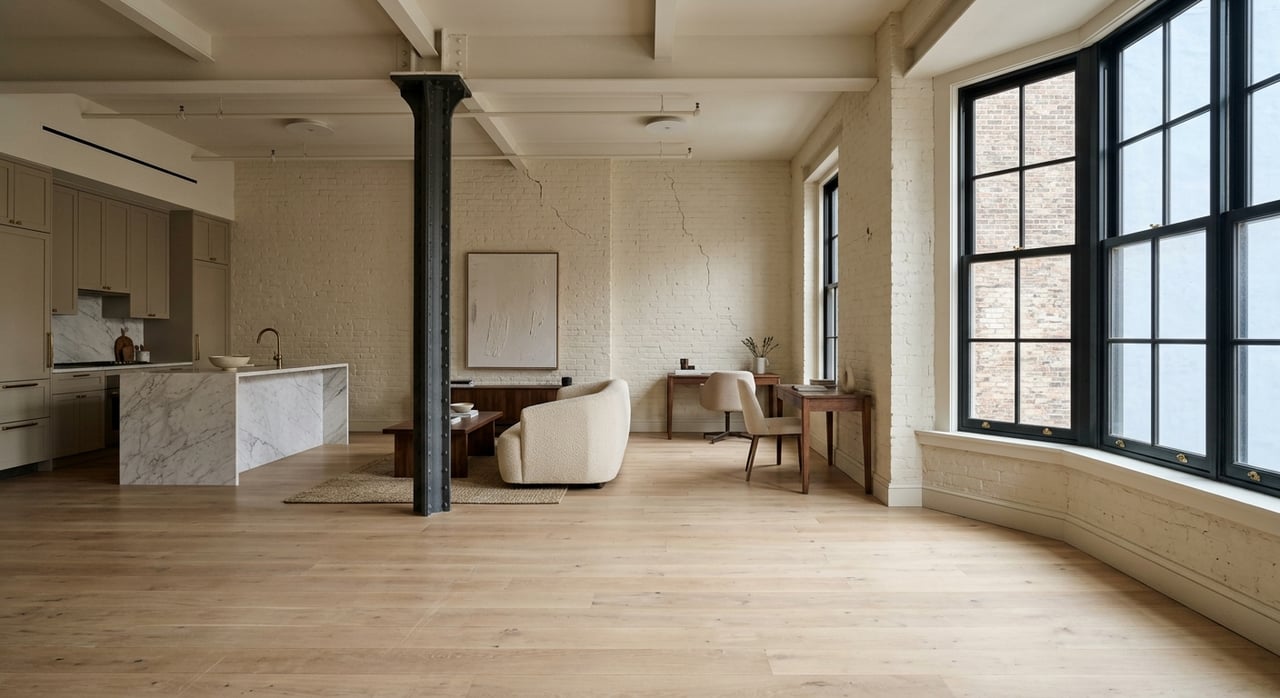

Thinking about listing your Chelsea condo? In a market where buyers have options and online first impressions do a lot of the heavy lifting, staging can help your apartment stand out fast. The right approach is not about filling a space with furniture. It is about helping buyers see light, flow, flexibility, and a polished Chelsea lifestyle from the first photo to the final showing. Let’s dive in.
Why Chelsea staging should feel tailored
Chelsea is not a one-size-fits-all condo market. Official NYC planning materials describe West Chelsea as a mix of art galleries, converted loft buildings, and newer residential buildings, with a strong gallery presence in the area around West 24th to West 26th Streets. That setting shapes buyer expectations.
In practical terms, your condo should usually feel contemporary, edited, and visually calm. Overdecorating can work against you, especially in a neighborhood known for design-forward spaces. A cleaner, more curated look tends to fit the local context better.
Market conditions also raise the stakes. As of May 2026, Chelsea was described by Realtor.com as a buyer’s market, with about 462 active listings, a median listing price near $1.95 million to $2.0 million, and median days on market of 55. In a more selective environment, presentation matters because buyers can compare many listings side by side.
Focus on light, views, and sightlines
In Chelsea, light is often one of the most important selling features. NYC planning materials for West Chelsea note that view corridors and visual access matter in the neighborhood’s character. That makes your windows, furniture placement, and visual flow more important than many sellers realize.
The goal is to make the apartment read as bright and open. Low-profile furniture, restrained styling, and minimal window treatments can help the eye move naturally toward windows and architectural details. In smaller condos or loft-style layouts, that sense of openness can make the home feel larger and more comfortable.
This does not mean the apartment should feel empty. It means each piece should earn its place. When buyers walk in or scroll through photos, they should notice the space first, not the stuff.
Stage the most important rooms first
If you are deciding where to spend time and money, prioritize the rooms buyers notice most. According to the National Association of Realtors’ 2025 Profile of Home Staging, buyers’ agents said the living room was the most important room to stage, followed by the primary bedroom and the kitchen.
For Chelsea condos, that order makes sense. The living area often carries a lot of weight because it shows entertaining space, natural light, and layout flow all at once. The primary bedroom should feel calm and comfortable, while the kitchen should look clean, efficient, and ready for everyday use.
Sellers’ agents in the same report also frequently staged the dining room and home office. That is especially useful in Chelsea, where buyers may value flexible urban living. If your layout allows for a small desk setup or work-from-home nook, that can help the apartment feel more current and functional.
Living room
Your living room should be the visual anchor of the listing. Use furniture scaled to the room so buyers can understand how the space works without feeling crowded. If possible, create a clear conversation area while preserving open paths to the windows.
Primary bedroom
The primary bedroom should feel restful and simple. Crisp bedding, limited accessories, and enough space around the bed can make the room feel more generous. Avoid heavy furniture that visually shrinks the room.
Kitchen
In the kitchen, less is more. Clear counters, remove bulky small appliances, and keep styling minimal. Buyers should notice the finishes, storage, and layout, not countertop clutter.
Home office nook
If you have an alcove, corner, or extra wall space, consider staging it as a small office. A compact desk and chair can tell an important story about flexibility. In an urban condo, that visual cue can help buyers picture how they would actually live in the space.
Choose a Chelsea-appropriate style
Because Chelsea has a strong gallery and loft identity, staging should feel restrained and modern rather than theme-based or overly personal. Think edited, not sparse. Think polished, not precious.
Art can absolutely help, but it should support the room rather than dominate it. A few contemporary pieces and carefully chosen accessories can create a sophisticated tone without adding visual noise. The overall effect should feel like a livable, high-end interior with a calm point of view.
A limited color palette usually helps. Soft neutrals, layered textures, and a few darker accents often photograph well and let the architecture lead. This is especially helpful when you want buyers to focus on windows, ceiling height, or clean lines.
Decide between full and partial staging
Not every Chelsea condo needs full staging. According to NAR, many agents advise sellers to declutter, deep clean, and address property faults even when they do not use full staging services. That is an important point if your condo is occupied and already has strong finishes.
In many cases, a partial-staging approach works well. That might mean editing your existing furniture, removing extra pieces, renting a few key items, and refreshing the styling before photography. This can be a smart option when the apartment already has a good foundation but needs a sharper presentation.
Full staging may make more sense if the condo is vacant, the current furniture does not fit the space, or the listing needs a stronger visual identity to compete. The right choice depends on the condition of the home, the layout, and how it will appear in photos and showings.
Prep before the camera arrives
The strongest staging plans follow a clear order. NAR’s seller-agent findings support a practical sequence: declutter the home, deep clean it, and handle minor repairs before the photo shoot and listing launch.
That means cosmetic details matter. Fresh paint touch-ups, repaired hardware, clean grout, polished surfaces, and working light fixtures can all improve how buyers experience the apartment. Small flaws become much more obvious in professional photography and video.
Try to think of the process in layers:
- Remove clutter and personal items.
- Deep clean every surface.
- Fix minor issues and touch up finishes.
- Stage key rooms and flexible spaces.
- Photograph and film the condo only after everything is complete.
Plan staging and marketing together
Staging should never be treated as a separate task from marketing. Buyers’ agents in NAR’s 2025 report rated photos, physical staging, videos, and virtual tours as much more or more important to clients. Sellers’ agents also placed high value on photos, videos, and physical staging.
That matters because most buyers will meet your condo online before they ever visit in person. If the apartment is staged after photography, you miss the chance to make the strongest first impression from day one.
The better sequence is simple: stage first, then photograph, film, and publish. When your listing images, video, and overall story all work together, the condo feels more cohesive and more compelling.
Build the right vendor team
A strong Chelsea listing often involves several professionals working in sync. Depending on the apartment, that may include a stager or interior stylist, furniture rental provider, cleaner, painter or handyperson, and a photographer or videographer.
Vendor choice matters. In NAR’s survey, sellers’ agents who used a staging service said design quality and price were the most important factors, and they typically received a median of two bids before choosing a company. For a Chelsea seller, it makes sense to compare options and choose a stager whose aesthetic matches the neighborhood’s design-conscious buyer pool.
The same report found a median spend of $1,500 when using a staging service, compared with $500 when the seller’s agent personally staged the home. That does not mean higher spend is always better. It means your staging plan should match the condo, the competition, and the marketing strategy.
Use virtual staging carefully
Virtual staging can be useful, but it usually works best as a supplement, not the whole strategy. NAR’s survey found that physical staging remained more valued, while virtual staging ranked as less important for a meaningful share of buyers’ agents.
For a vacant condo, virtual staging may help buyers understand scale and layout online. But if the home can be physically staged, that often creates a stronger experience in both photography and in-person showings. In a neighborhood like Chelsea, where design presentation carries weight, real furnishings tend to feel more convincing.
What staging can and cannot do
Staging is a presentation tool, not a guarantee. NAR found that 17% of buyers’ agents saw a staged home increase the dollar value offered by 1% to 5%, while 30% of sellers’ agents said staging slightly decreased time on market. At the same time, many respondents reported no change in price or timing.
That is why it helps to think of staging as a way to reduce buyer hesitation. It can make your condo easier to understand, easier to remember, and easier to imagine living in. In a buyer’s market, those advantages matter.
For Chelsea sellers, the most effective staging usually highlights four things: brightness, visual calm, flexible living, and a design-forward point of view. When those elements come through clearly, your condo is better positioned to compete online and in person.
If you are preparing to sell, the smartest next step is to build a plan that matches your apartment, your timeline, and your buyer audience. For tailored guidance on staging, pricing, and marketing a Manhattan listing, connect with The Christina Kremidas Team.
FAQs
Which rooms should I stage first in a Chelsea condo?
- Start with the living room, primary bedroom, and kitchen. NAR’s 2025 staging data found those were the top priority rooms for buyers’ agents.
Is partial staging enough for an occupied Chelsea condo?
- Often, yes. If your condo already has solid finishes and functional furniture, decluttering, deep cleaning, minor repairs, and adding a few rented pieces may be enough to improve presentation.
How can I highlight light and views when staging a Chelsea condo?
- Use minimal window treatments, keep furniture low-profile, and avoid visual clutter near windows so buyers focus on brightness, openness, and sightlines.
Should I stage a home office in a small Chelsea condo?
- If you have room for a compact desk setup, it can be worth it. A small office nook can help buyers see the apartment as flexible and suited to current work-from-home needs.
Is physical staging better than virtual staging for a Chelsea condo listing?
- In many cases, yes. NAR’s 2025 report shows physical staging is generally valued more highly, while virtual staging works best as a supplement, especially for vacant units.
When should staging happen in the listing timeline for a Chelsea condo?
- Staging should be completed before professional photography and video. That way, your listing launches with polished visuals from the start.