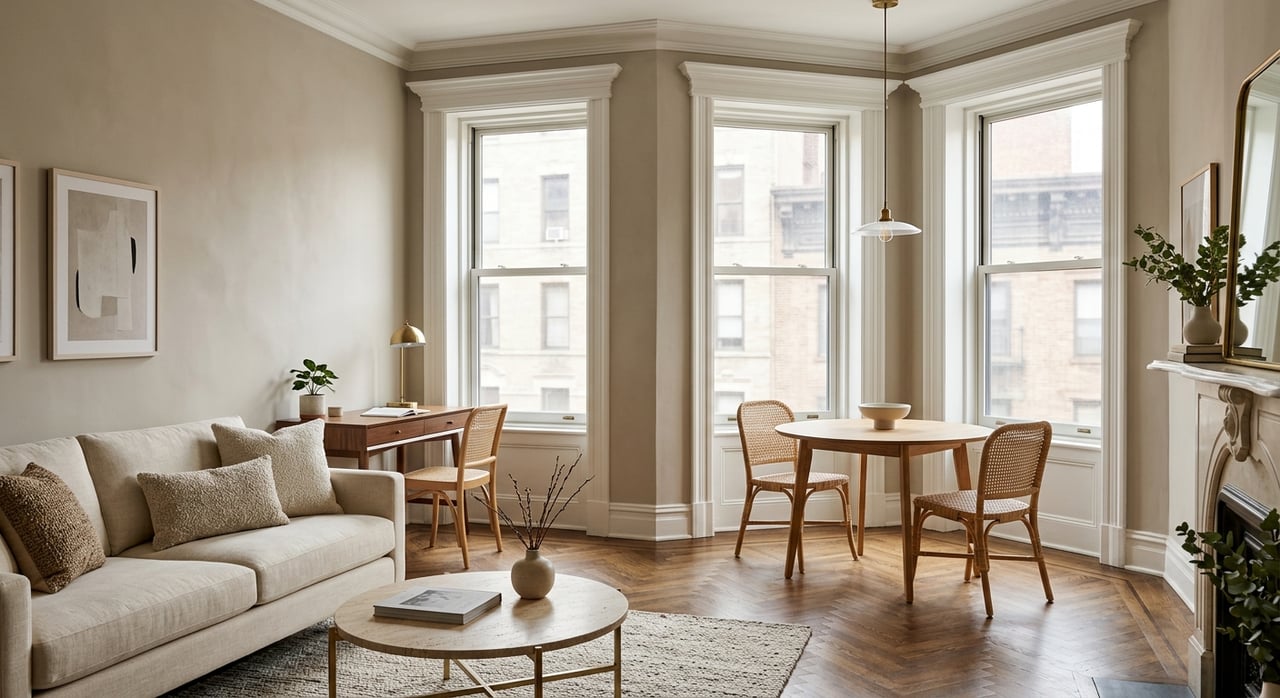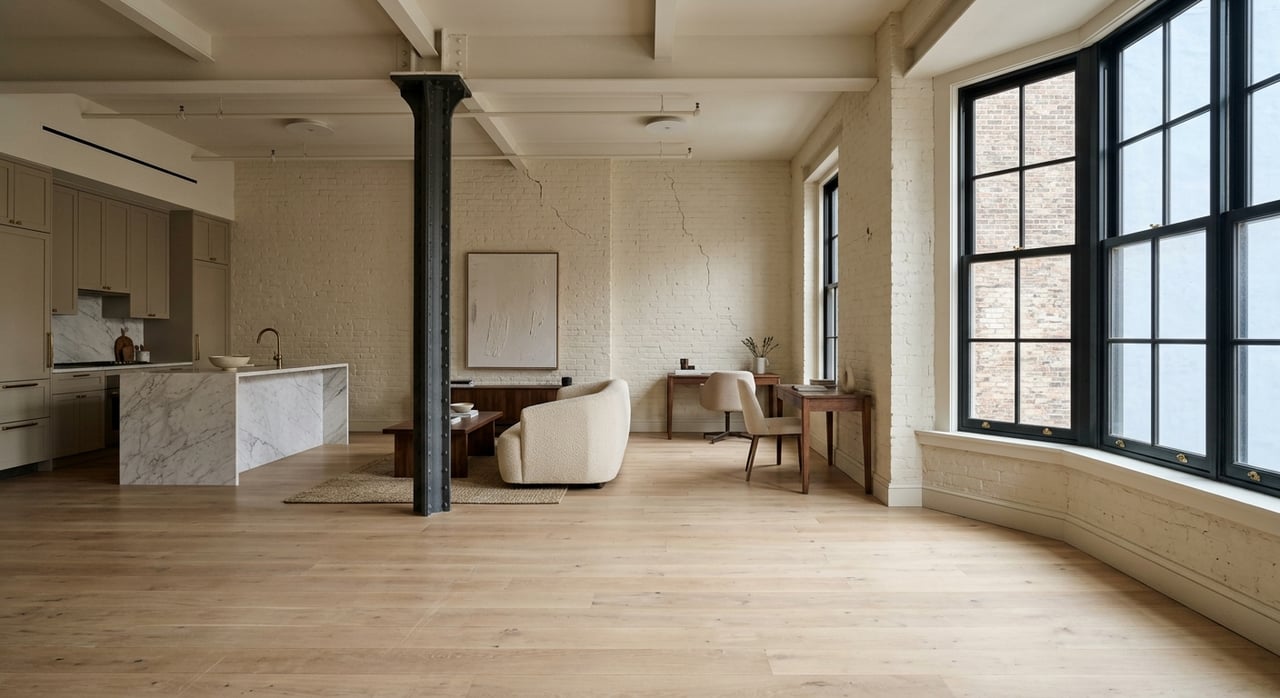
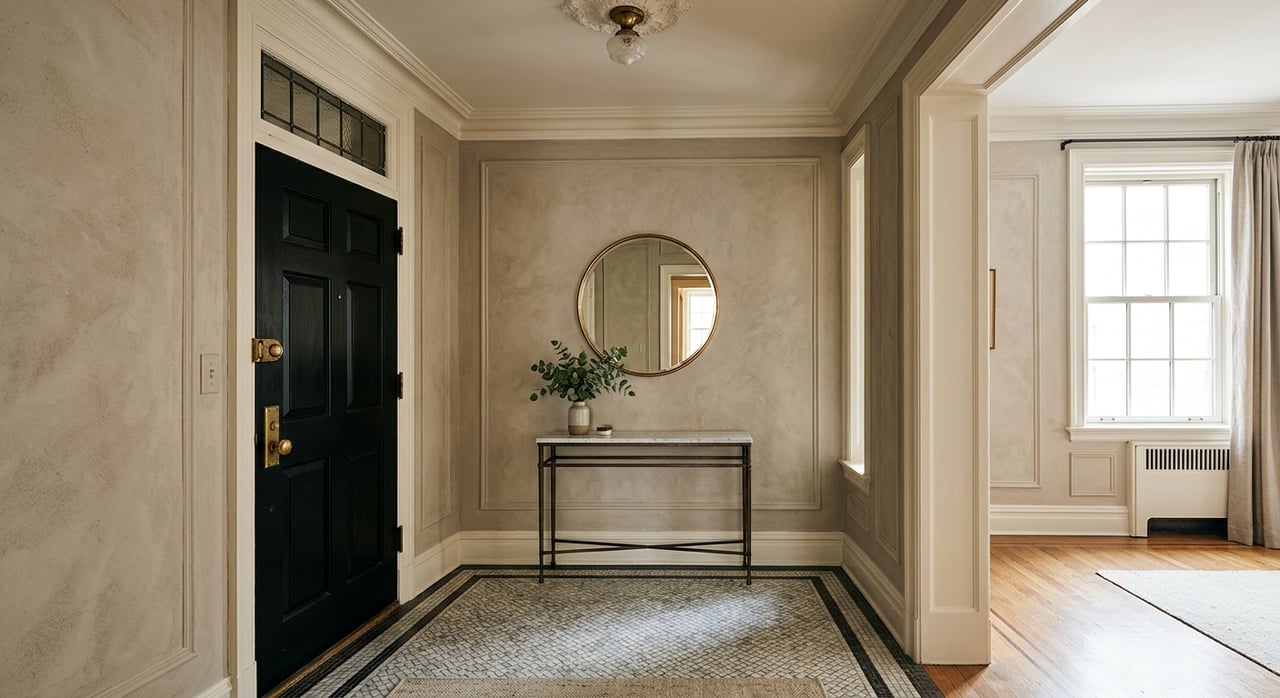
Wondering why some West Village apartments feel instantly market-ready while others sit longer than expected? In a neighborhood known for historic housing stock, older interiors, and a median asking price of $1.775M, the details matter. If you are thinking about selling, the right prep can help your apartment show better, photograph better, and move through the process with fewer surprises. Let’s dive in.
Why prep matters in West Village
West Village is one of Manhattan’s most sought-after neighborhoods, but demand alone does not guarantee a smooth sale. StreetEasy reports a 60-day median days on market, which means buyers still compare condition, layout, and overall presentation carefully.
That is especially true in a market where many apartments are in older buildings. When your home feels well maintained and easy to understand, buyers can focus on its character and value instead of possible future headaches.
Start with a realistic launch timeline
If you want to list in a busy part of the year, it helps to work backward. StreetEasy’s seasonality analysis found that NYC buyers typically see the most listings in May, the most open houses in June, and another smaller inventory rebound in September and October.
For you, that means prep should start several weeks before your target launch. A practical sequence is to inspect first, gather documents next, and then finish cosmetic work, staging, and photography.
A simple prep calendar
Here is a practical roadmap for a West Village seller:
- Schedule a pre-list inspection and safety check.
- Triage repairs and focus on high-impact cosmetic fixes.
- Gather alteration, permit, and building records.
- Organize warranties, manuals, and closing-related paperwork.
- Complete staging and photography before your target listing window.
This order helps reduce delays before buyers ever walk through the door. In NYC, that can matter just as much as pricing strategy.
Use a pre-list inspection strategically
A pre-sale inspection is optional, but it can be especially helpful in an older West Village apartment. According to NAR, inspections can surface issues in plumbing, electrical, heating and air conditioning, interiors, ventilation, insulation, fireplaces, and more.
Depending on the property, testing may also cover mold, radon, lead paint, and asbestos. Even if you decide not to fix every issue, getting a cost estimate for major repairs can help you prepare for negotiation.
Why this matters before showings
When buyers uncover a problem late, it can create stress, renegotiation, or delay. When you understand the apartment’s condition earlier, you can make informed choices about repairs, pricing, and disclosure.
That kind of preparation is often more valuable than rushing into the market a few weeks early. In a document-heavy NYC sale, fewer surprises usually means a smoother path to contract.
Focus on cosmetic updates first
Not every improvement is worth doing before you list. For most West Village sellers, the best return comes from simple refreshes that improve how the apartment feels in person and in photos.
NAR recommends cleaning windows, carpets, light fixtures, and walls, plus decluttering and considering staging. These steps can make older interiors feel brighter, cleaner, and easier for buyers to picture as their own.
High-impact prep tasks
Consider prioritizing:
- Deep cleaning throughout the apartment
- Touch-up painting where needed
- Cleaning walls, light fixtures, and windows
- Refreshing worn surfaces
- Reducing visual clutter
- Organizing closets and storage areas
- Light staging to define rooms clearly
In the West Village, buyers often respond to charm and architectural character. Clean lines and thoughtful presentation help those features stand out.
Know what work may need permits
In NYC, many common cosmetic tasks do not require a Department of Buildings permit. NYC DOB notes that painting, plastering, installing new cabinets, plumbing fixture replacement, resurfacing floors, and non-structural roof repair are among the tasks that generally do not require a permit.
That said, most construction in the city does require approval and permits, and home improvement contractors must hold the proper DCWP license. If work affects structure, plumbing systems, or layout, check requirements before starting.
The safest last-minute improvements
For most sellers, minor cosmetic work is the safest place to focus close to launch. It is usually faster, less risky, and more likely to improve presentation without creating new paperwork issues.
If your apartment has a more ambitious update in mind, it is smart to verify what is allowed and what documents may be required before moving forward.
Do basic safety checks
Safety details may seem small, but they matter. NYC DOB says smoke alarms and carbon monoxide detectors should be working, batteries should be changed twice a year, detectors should be on each floor, and carbon monoxide detectors should be replaced every five years.
Before listing, make sure these items are functional and properly placed. Buyers notice when a home feels responsibly maintained, and simple checks can help avoid unnecessary concerns.
Gather lead and alteration records early
Because much of the West Village housing stock is older, lead rules can be relevant. Federal lead requirements generally apply to most pre-1978 housing, and sellers must disclose known lead information, provide available records, give buyers the lead warning statement and pamphlet, and allow an opportunity to inspect for lead hazards.
If your apartment has had prior alterations, gather related DOB paperwork before listing. In New York sales, buyer due diligence commonly includes a title report that checks for liens and government violations, and DOB records can become important if work was done in the past.
Why paperwork matters so much
If required records are missing, a deal can slow down at exactly the wrong moment. Buyers, attorneys, and building representatives all want a clear paper trail when an apartment has been altered.
If a Certificate of Occupancy is relevant to the property, DOB states that required paperwork must be complete, fees paid, and violations resolved, with no open applications or violations to obtain one. This is one more reason to sort out building records before launch, not after an offer comes in.
Prepare for co-op or condo paperwork
In NYC, apartment sales are not just about showings and price. They are also about paperwork, and co-ops and condos have very different expectations.
If you are selling a co-op, the buyer’s board package will likely be extensive. StreetEasy notes that many buildings ask for signed tax returns, W-2s, reference letters, pay stubs or proof of employment, financial statements, and financing documents when applicable.
Co-op sales need more runway
StreetEasy also notes that buyers typically have about 10 days after contract signing to submit the board package. That timeline puts pressure on everyone if documents are scattered or building requirements are unclear.
As a seller, you cannot control every part of the buyer’s package, but you can be ready with your own building information and transaction documents. That preparation can make the process feel far less chaotic.
Condo sales are usually lighter
For condos, the approval process is often simpler. StreetEasy says condo applications may ask for basic transaction details, party information, intended occupancy, and some residence and employment history.
Even so, New York closings still commonly involve attorneys, written contracts, title reports, and closing statements. A lighter application does not mean a casual closing.
Do not overlook manuals and warranties
One easily missed step is gathering paperwork for items that will stay with the apartment. NAR recommends locating warranties, guarantees, and user manuals for appliances and systems that remain after closing.
This may not feel urgent when you are focused on photos and showings, but it can save time later. It also signals that the apartment has been cared for thoughtfully.
Understand what drives timing in NYC
Many sellers hope the process will speed up once they accept an offer. In NYC, the opposite is often true. StreetEasy says the closing process generally takes at least 30 days, many buildings allow about 30 days to review an application, financing commitments can take around 30 to 45 days, and the overall process is best expected to take at least two months.
Co-op deals often take longer. That is why the best way to reduce delays is usually to remove friction before the first showing, not after the contract is signed.
What to prioritize before listing
If you want a simple rule of thumb, focus on the items that make your apartment easier to show, easier to understand, and easier to clear through due diligence.
That usually means prioritizing:
- A pre-list inspection
- Basic safety checks
- High-ROI cosmetic updates
- Alteration and permit paperwork
- Building and closing documents
- Warranties and manuals for included items
- A listing timeline that targets active seasonal windows when possible
In a neighborhood like the West Village, buyers often respond quickly to homes that feel polished and easy to transact. Preparation supports both.
If you are thinking about selling, the smartest next step is often not a renovation. It is a clear plan. The right strategy can help you decide what to fix, what to leave alone, when to list, and how to avoid delays that weaken momentum.
When you want experienced guidance on pricing, presentation, and navigating a New York apartment sale, The Christina Kremidas Team can help you prepare your home with a smart, market-ready approach.
FAQs
What should you fix before listing a West Village apartment?
- Focus first on high-impact cosmetic items like cleaning, paint touch-ups, decluttering, refreshed surfaces, and any visible maintenance issues that could distract buyers.
Is a pre-list inspection worth it for a West Village apartment?
- It can be, especially in an older apartment, because it may uncover issues early and help you prepare for repairs, pricing decisions, or negotiations.
Do cosmetic updates in NYC usually need permits?
- Many common cosmetic tasks such as painting, plastering, installing new cabinets, plumbing fixture replacement, and resurfacing floors generally do not require a DOB permit, but broader work should be checked before starting.
What paperwork should you gather before selling a West Village apartment?
- Start with alteration records, DOB-related paperwork if applicable, building documents, warranties and manuals for included items, and any records that help explain past work or ongoing systems.
How far in advance should you prepare a West Village apartment for listing?
- A practical approach is to begin several weeks before launch so you have time to inspect, organize paperwork, complete cosmetic work, and prepare for photography before busy seasonal listing periods.
Are co-op and condo sale preparations different in NYC?
- Yes. Co-op sales usually involve a more detailed board package process, while condo applications are often lighter, though both still require careful document and closing preparation in New York.