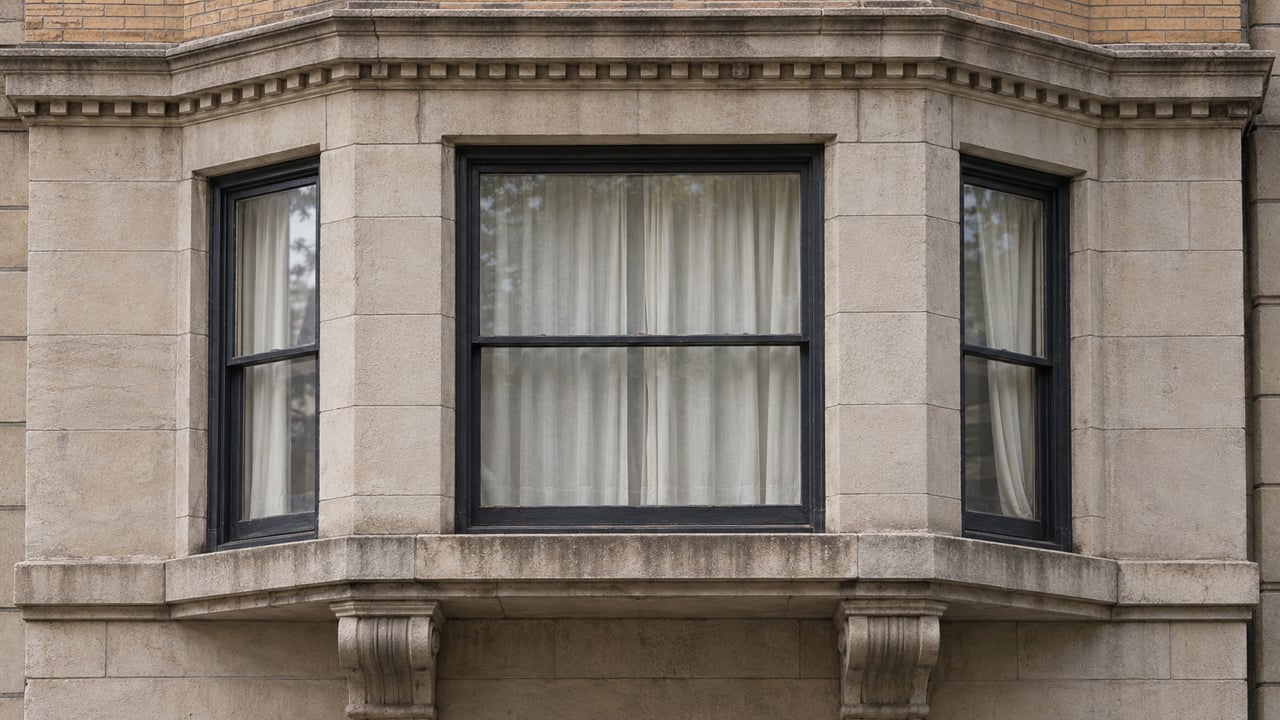
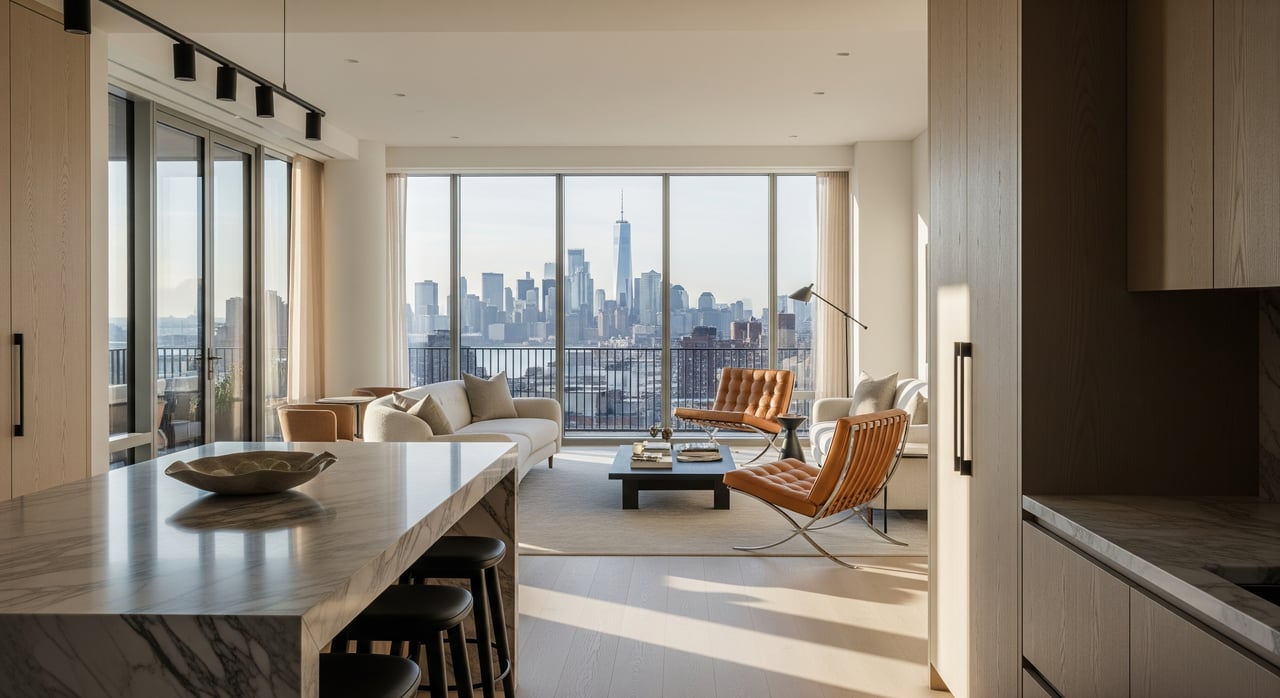
Thinking about a condo in the Financial District and not sure where to start? You are not alone. FiDi has changed a lot, and the condo choices can feel both exciting and overwhelming. In this guide, you will learn how the inventory is different, how pricing and value stack up against nearby neighborhoods, what to watch in building rules and financing, and how to time your offer. Let’s dive in.
Why FiDi draws condo buyers
FiDi has a larger share of modern high‑rise condos and office‑to‑residential conversions than most downtown areas. That means you often find newer finishes, abundant amenities, and full‑service living in elevator buildings. The inventory skews toward studios and one‑bedrooms, with some luxe penthouses and a few larger homes.
If you want downtown convenience and a full‑service building without the highest boutique premiums, FiDi can be a strong value choice. The area saw pricing soften during 2020, followed by a recovery and general stabilization by 2022 to 2024, with differences by building class and price tier.
Inventory and building types
You will see three main condo types when you tour FiDi:
- Modern glass towers with full amenities. Think pools, lounges, gyms, and 24/7 staff. These buildings usually command higher prices within the neighborhood.
- Office‑to‑residential conversions. These can offer dramatic spaces with unique layouts. Always review ceiling heights, window size, ventilation, and mechanicals during due diligence.
- Smaller condos and converted lofts. These may trade at modest discounts compared with new towers and can offer character and value.
New development launches and sponsor resales appear in cycles. When that happens, you may see incentives or promotional pricing that can help your bottom line.
FiDi vs nearby neighborhoods
Understanding how FiDi differs from its neighbors helps you set expectations and budget.
Tribeca
- Character: Historic lofts, large floorplates, and many boutique conversions.
- Value lens: Often higher price per square foot than FiDi, with larger average unit sizes.
Battery Park City
- Character: Planned residential area with parks and a strong waterfront orientation.
- Inventory: More 2 to 3 bedroom options relative to FiDi, in buildings that often attract buyers who prioritize nearby green space.
SoHo and NoLita
- Character: Cast‑iron architecture, boutique condos, and a significant design and retail scene.
- Value lens: Often carry a boutique and architectural premium compared with FiDi.
Bottom line: FiDi commonly offers newer, amenity‑heavy condos and smaller average layouts compared with Tribeca and SoHo, often at a more approachable price per square foot.
Lifestyle, retail, and transit
FiDi remains a major business center, so the daytime population is high. Evenings have grown livelier as more residents moved in, but it still feels different from purely residential pockets. Retail and dining keep improving, while nearby areas like Tribeca and SoHo continue to offer broader boutique and restaurant options.
Transit is a key advantage. You have access to multiple subway lines, the PATH, ferries, and South Ferry connections. Walkability is strong, and biking is common. Driving and parking are limited and costly, similar to the rest of downtown Manhattan.
Rules, renting, and short‑term stays
New York City has tightened short‑term rental enforcement. Many condo bylaws restrict short stays, and minimum lease terms are common. If rental flexibility matters to you, confirm the building’s house rules and local regulations before you make an offer.
Investors and pied‑à‑terre buyers are active in FiDi because of its location and transit access. Returns depend on building rules and current rental economics, so review policy language with your attorney early.
Pricing and value factors
While exact numbers change every quarter, the overall pattern is consistent:
- FiDi often trades below the per‑square‑foot pricing of ultra‑prime pockets like Tribeca and parts of SoHo.
- Premiums within FiDi go to waterfront views, high floors, and buildings with robust amenities.
- Older conversions and smaller condos can price more aggressively to sell.
If you want a newer building and full services without paying top boutique premiums, FiDi often hits the sweet spot. For larger family‑sized layouts with more 2 to 3 bedroom options, you may also compare Battery Park City.
Financing and closing costs to expect
Your mortgage options and costs will vary by lender and building profile. Newer condos and sponsor units can have different requirements and timelines. In higher interest‑rate environments, debt‑to‑income checks and monthly costs have a bigger impact on what you can afford.
Plan for these buyer costs:
- New York State mansion tax on purchases above the statutory threshold. Verify current rates before signing.
- Transfer taxes and recording taxes where applicable.
- Title insurance, lender fees, and attorney fees.
- Potential working capital contributions or sponsor fees on new developments.
Set aside a buffer for closing. Your attorney and lender can give you an itemized estimate once you identify a target building.
Building due diligence checklist
Before you commit, review the building’s documentation closely. Your attorney, agent, and inspector can help you vet critical items.
- Financials and reserves. Look at the budget, reserve fund levels, and any history of special assessments.
- House rules and rental policy. Confirm minimum lease terms, sublet rules, and any owner‑use restrictions.
- Capital projects. Ask about recent or upcoming work that might lead to future assessments.
- Conversion specifics. In office‑to‑residential conversions, verify window and ventilation details, mechanical systems, and egress compliance.
- Neighboring uses and noise. Ground‑floor commercial or nearby nightlife can affect your living experience and future resale.
Timing and negotiation tips
How you time your search can affect both price and terms.
- Entry‑level units move faster. If you find a well‑priced studio or one‑bedroom, be ready with a strong pre‑approval.
- Luxury and atypical layouts can sit longer. Use that time to negotiate price or closing flexibility.
- New developments may offer credits or incentives. Sponsor resales can also include perks, especially when there is a pipeline of similar units.
If you are flexible on move‑in dates or financing terms, you may be able to secure better terms from sellers who value certainty.
Condo vs co‑op in FiDi
FiDi is condo‑heavy relative to parts of Manhattan with older co‑op stock. Condos typically offer easier approvals and more flexible subletting. Co‑ops can be more price‑efficient, but they come with stricter rules and a more intensive board process.
If you prioritize a smoother closing and rental options, a condo usually fits better. If you are focused on price and are comfortable with board standards, a co‑op could be worth a look in nearby neighborhoods.
Who FiDi fits best
- Primary buyers who value a short commute to downtown offices and a modern building with services.
- Empty‑nesters or downsizers who want low‑maintenance living in a full‑service property.
- Investors and pied‑à‑terre buyers who prioritize transit access and location, assuming rental rules align with their strategy.
Families also consider FiDi, especially with riverside parks close by. Many buyers compare unit size and school access with Battery Park City or Tribeca to choose the right fit.
How to start your FiDi search
Use this simple plan to move from research to keys in hand:
- Clarify needs and budget. Decide on must‑have features, acceptable commute, and a target monthly payment under current rates.
- Get pre‑approved. Secure a strong pre‑approval specific to Manhattan condos so you can move quickly.
- Compare neighborhoods. Tour similar homes in FiDi, Tribeca, Battery Park City, and SoHo to see how your budget translates across areas.
- Target buildings. Shortlist 3 to 5 buildings that match your layout, amenities, and rental policy needs.
- Review documents early. Ask your attorney and agent to review offering plans, financials, and house rules before you submit an offer.
- Watch the pipeline. Track new development launches and sponsor resales for incentives.
- Negotiate with context. Use days on market, inventory mix, and any sponsor concessions to shape your offer and terms.
Quick FiDi condo checklist
- Pre‑approval tailored to NYC condos
- Building financials and reserves
- House rules and rental policy
- Recent or planned capital projects
- Sponsor or developer incentives
- Mansion tax and closing cost estimate
- Transit access and commute pattern
- Nearby retail, dining, and parks you will use most
Buying in FiDi can give you new‑construction benefits, strong amenities, and downtown convenience at a relative value against some nearby areas. With the right prep and guidance, you can find a condo that fits your lifestyle and long‑term goals.
If you want a local strategy for your budget, building list, and timing, connect with The Christina Kremidas Team. Our boutique, Douglas Elliman‑affiliated team pairs clear education with skilled negotiation and smooth closing management so you can buy with confidence.
FAQs
Is the Financial District a good fit for families?
- FiDi offers access to riverside parks and growing residential services. Many families compare unit sizes and school access with Battery Park City and Tribeca to decide what fits best.
How do FiDi condo prices compare with Tribeca?
- FiDi often provides a lower price per square foot and newer tower inventory, while Tribeca typically has larger layouts and boutique premiums. Final values depend on building, view, and size.
Can I do short‑term rentals in a FiDi condo?
- City enforcement and most condo bylaws limit short‑term rentals. Always verify the building’s rental policy and local rules before buying if rental flexibility is important to you.
Should I worry about nearby office vacancies when buying in FiDi?
- Office vacancies can affect daytime retail and street activity. Some buyers see opportunity in value and selection, while others prefer areas with more established residential patterns.
What is an offering plan and a sponsor unit?
- The offering plan is the condo’s disclosure document covering budgets, bylaws, and construction details. A sponsor unit is a home still owned by the developer, which may offer different terms, pricing, or incentives.