Ever wonder what it actually feels like to live on the Upper East Side, beyond the old stereotypes? If you are considering a move, a purchase, or simply trying to understand the neighborhood better, you want a real picture of daily life, not just a postcard version. The good news is that the Upper East Side offers a mix of classic New York character, practical convenience, and culture woven into everyday routines. Let’s dive in.
Upper East Side daily rhythm
The Upper East Side is one of Manhattan’s most established residential neighborhoods, with 224,027 residents in 2024. Its daily pace feels polished and steady, shaped by apartment living, walkable blocks, and a transit-oriented lifestyle rather than a car-dependent one.
That pattern shows up clearly in the numbers. The Furman Center reports a 90.3% car-free commute share, which helps explain why life here often revolves around walking to errands, taking the subway, and fitting park time or dinner plans into the flow of the day.
The neighborhood also blends continuity with change. Between 2010 and 2025, 4,025 new housing units were added, mostly market-rate, while landmark protections continue to preserve much of the traditional streetscape.
Housing feels classic and lived-in
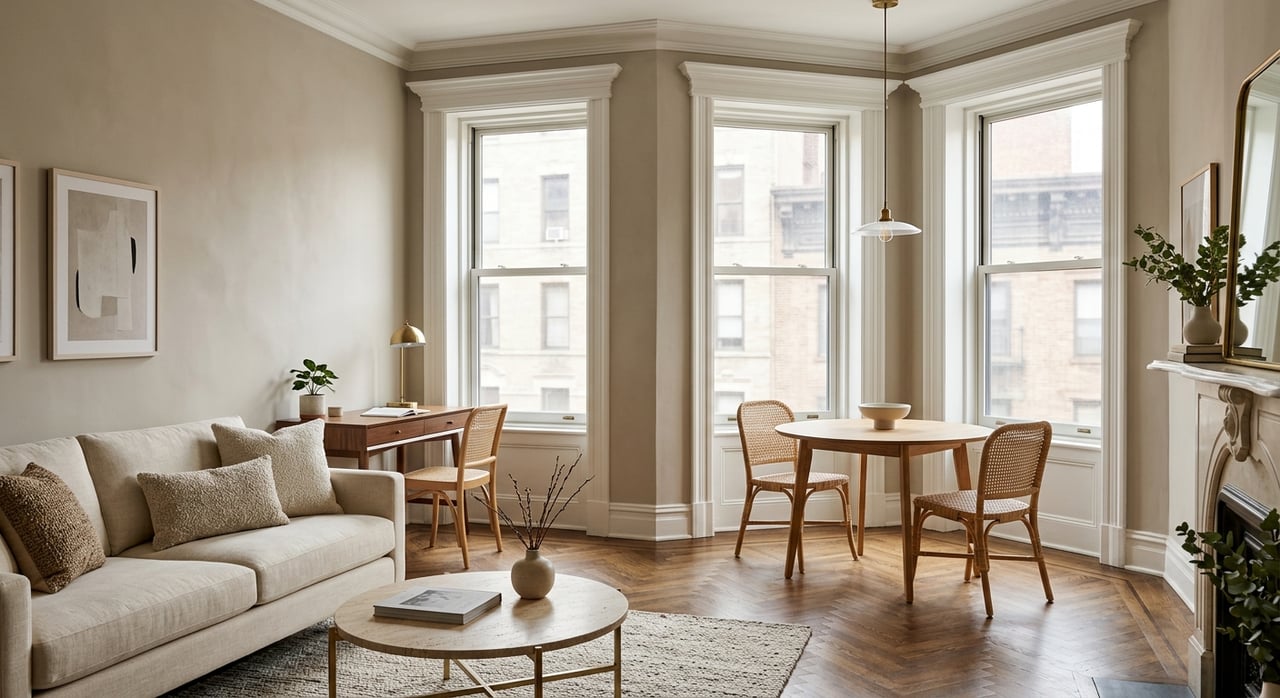
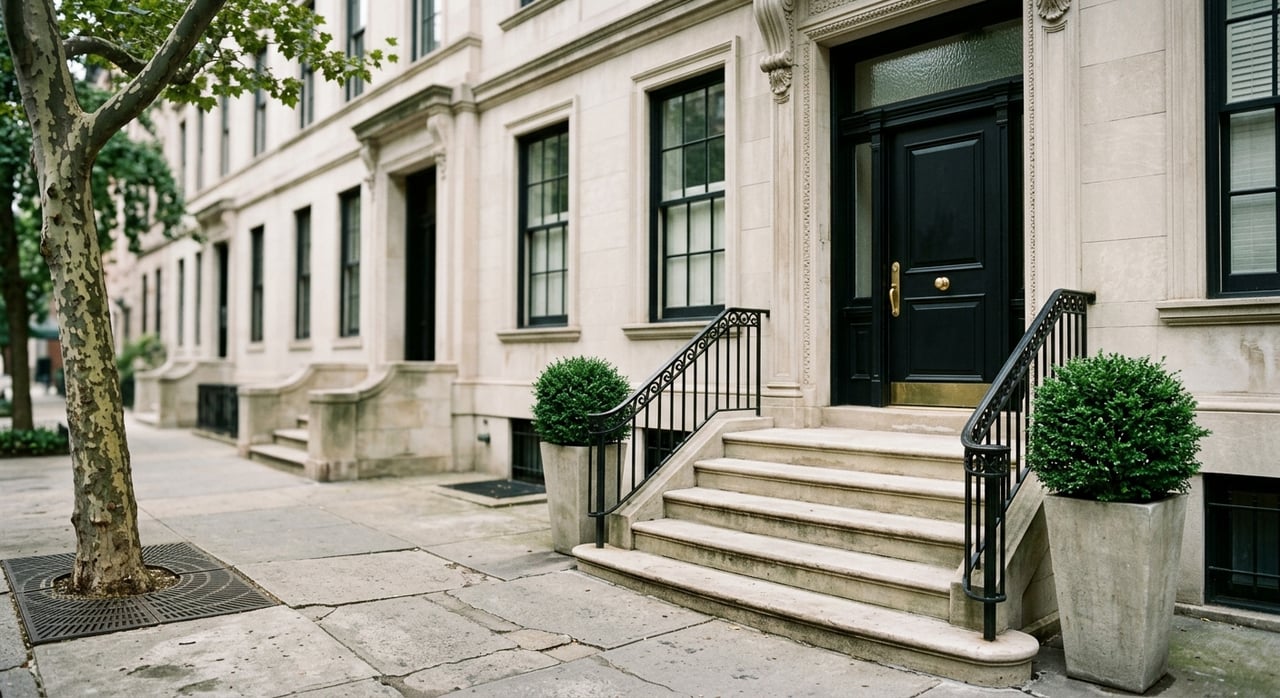
Part of the Upper East Side’s appeal is how visually consistent it feels. Friends of the Upper East Side describes the area’s building stock as a mix of brownstone row houses, town houses, mansions, and apartment houses, which gives many blocks a strong architectural identity.
This is also one of New York City’s largest historic districts. That matters in everyday life because the neighborhood does not feel like it is constantly reinventing itself. Instead, it tends to offer a more settled residential atmosphere with familiar facades, established buildings, and a strong sense of place.
For buyers, that can mean a range of housing experiences within the same neighborhood. You may be comparing classic co-op living, a condo in a more modern building, or a home near a landmarked block that feels deeply tied to old New York.
Parks shape everyday life
One of the biggest quality-of-life advantages on the Upper East Side is how easy it is to get outside. Central Park is not just a weekend destination here. For many residents, it becomes part of the weekly routine.
The Great Lawn sits between 79th and 85th Streets and spans 55 acres, with space for picnics, relaxing, softball, and open views. On the East Side of the park, nearby landscapes like the East Green at 69th Street and the Dene between 66th and 69th Streets offer different moods within a short walk.
If you like to run or fit in a fast morning workout, the Reservoir is another major draw. Gilder Run connects the East Drive to the 1.58-mile Reservoir running track, making it easy to turn a park visit into a practical part of your day.
The East River adds a calmer side
While Central Park gets most of the attention, the East River side of the neighborhood offers a different pace. Carl Schurz Park stretches from East 84th to 89th Streets along the river and includes the John Finley Walk esplanade and views near Gracie Mansion.
That gives the far eastern side of the Upper East Side a quieter outdoor routine. Dog walks, evening strolls, and waterfront views can feel more neighborhood-scaled here than the busier park routes farther west.
Smaller local parks also make a difference. St. Catherine’s Park at East 67th to 68th Street includes a playground, running track, tennis wall, handball courts, and basketball court, giving residents another easy option for recreation close to home.
Culture is part of the neighborhood
On the Upper East Side, culture is not something you have to plan a whole day around. It is embedded into the neighborhood itself. Fifth Avenue from 82nd to 110th Street forms Museum Mile, where major institutions are clustered in a way that makes casual visits realistic.
That concentration includes The Met at 82nd Street, the Guggenheim at 89th, Cooper Hewitt at 91st, The Jewish Museum at 92nd, Museum of the City of New York at 103rd to 104th, El Museo del Barrio at 104th to 105th, and The Africa Center at 110th. For residents, that means a museum visit can sit naturally alongside brunch, a walk, or errands.
The neighborhood’s cultural life also goes beyond gallery spaces. The Museum Mile Festival release lists 92NY and Asia Society as neighborhood partners, which reflects a broader mix of lectures, performances, classes, and community programming.
Shopping works on two levels
The Upper East Side has a reputation for refined shopping, and that reputation is grounded in reality. Madison Avenue on the Upper East Side is described by the Madison Avenue BID as one of the world’s premier luxury shopping districts, spanning a 30-block stretch with shopping, hotels, dining, and art destinations.
At the same time, everyday life here is not built around luxury retail alone. NYC Planning notes that corridors like Second and Lexington Avenues commonly include grocery stores, dry cleaners, drug stores, restaurants, and local clothing stores in residential districts.
That split is part of what makes the neighborhood work so well. You can enjoy polished retail corridors, but you can also handle your normal errands without leaving the neighborhood.
Dining is broader than many expect
The Upper East Side dining scene has more range than its old reputation suggests. Recent coverage highlighted a mix of longstanding favorites and newer openings, including notable Thai and French additions.
In practical terms, that means you can expect more than formal, old-school restaurants. The neighborhood supports quick local meals, established staples, and more polished nights out, which adds flexibility to daily life.
For buyers and renters thinking long term, that kind of variety matters. A neighborhood often feels more livable when it supports both routine weeknights and special occasions without requiring extra travel.
Getting around is a major advantage
Transit is one of the Upper East Side’s strongest everyday benefits. Phase 1 of the Second Avenue Subway extended Q service to 96th Street and added stations at 72nd and 86th Streets, serving nearly 200,000 riders a day on the Upper East Side.
The MTA also reports that this expansion reduced morning overcrowding on the Lexington Avenue line by an average of 40%. For residents, that translates into more options and a more functional commute, especially if you live closer to Second Avenue.
Bus access is also part of the picture. NYC DOT says its Third Avenue Complete Street project is designed to support faster, more reliable bus service for about 50,000 daily riders along the corridor from East 59th to 96th Streets.
What makes the Upper East Side distinct
Many Manhattan neighborhoods offer convenience. Fewer offer this particular mix of preserved architecture, strong park access, major cultural institutions, practical shopping streets, and robust transit.
The Upper East Side feels distinct because it balances prestige with routine. You can live among landmarked blocks and major museums while still relying on the same nearby grocery stores, local services, and walking routes that make a neighborhood feel usable every day.
For many buyers, that is the real appeal. The neighborhood offers a version of Manhattan living that feels established, functional, and deeply tied to place.
If you are weighing a move to the Upper East Side or comparing it to other Manhattan neighborhoods, understanding the day-to-day lifestyle is just as important as understanding the building itself. The Christina Kremidas Team can help you evaluate how a neighborhood fits your goals, whether you are buying, selling, renting, or planning your next move in NYC.
FAQs
What is everyday life like on the Upper East Side?
- Everyday life on the Upper East Side is typically walkable, transit-oriented, and residential, with routines built around local errands, park access, apartment living, and nearby cultural institutions.
Can you live on the Upper East Side without a car?
- Yes. The Furman Center reports a 90.3% car-free commute share, and the neighborhood has strong subway, bus, and walking infrastructure.
What parks are available on the Upper East Side?
- Upper East Side residents have access to Central Park, including the Great Lawn and Reservoir area, as well as Carl Schurz Park and smaller neighborhood spaces like St. Catherine’s Park.
What makes the Upper East Side different from other Manhattan neighborhoods?
- The Upper East Side stands out for its combination of landmarked architecture, Museum Mile institutions, Madison Avenue shopping, neighborhood-scale commercial corridors, and strong transit access.
Is the Upper East Side more quiet or active?
- It generally feels more residential and routine-driven than nightlife-driven, with activity centered on parks, museums, shopping corridors, dining, and daily errands.
Is the Upper East Side a practical neighborhood for daily errands?
- Yes. In addition to destination shopping on Madison Avenue, corridors like Second and Lexington Avenues support everyday needs with stores and services commonly found in residential districts.